Fashion Identity Explained: 70% of Youth See Style as Self
Over 70% of young adults view fashion as a core part of their identity and culture, yet many struggle to express their true selves through streetwear. Fast-changing trends create confusion rather than clarity. This guide decodes fashion identity, helping you build authentic style and navigate trends with confidence in 2026.
Table of Contents
- Understanding Fashion Identity In Streetwear
- The Role of Symbolism And Cultural Influence
- Common Misconceptions About Fashion Identity
- Frameworks To Develop Authentic Fashion Identities
- Psychological Impact And Social Benefits of Fashion Identity
- Applying Your Fashion Identity: Practical Tips For Shoppers
- Discover Your Bold Streetwear Style At ELEDOasis
- Frequently Asked Questions
Key Takeaways
| Point | Details |
|---|---|
| Fashion identity blends creativity, culture, and trends | Authentic expression requires balancing personal values with symbolic streetwear elements |
| Hip-hop and skate culture shape streetwear symbolism | 85% of streetwear roots trace to these cultural movements, embedding meaning in apparel |
| The Identity Triangle framework guides authentic style | Balance individuality, cultural influences, and selective trend adoption for cohesive identity |
| Misconceptions hinder authentic expression | Trends can enhance rather than erase personal style when integrated thoughtfully |
| Psychological benefits include increased confidence | Strong fashion identity improves self-esteem and fosters community belonging |
Understanding Fashion Identity in Streetwear
Fashion identity represents the fusion of creativity, culture, and personal style. It’s how you communicate who you are without saying a word.
Streetwear uniquely blends cultural roots with individual expression. Unlike traditional fashion, it emerged from grassroots movements, giving you tools to signal values and affiliations. Over 70% of young adults view fashion as a form of self-expression linked to cultural identity, making streetwear a powerful vehicle for showcasing your authentic self.
Key streetwear elements like logos, silhouettes, and colors signal different aspects of identity. A vintage band tee tells one story, while a limited sneaker drop tells another. These choices reveal your fashion individualism in streetwear and connect you to broader communities.
Components contributing to fashion identity in streetwear include:
- Brand logos and emblems that represent cultural movements
- Cultural motifs like graffiti or skate graphics
- Personal customization through DIY alterations
- Strategic trend adaptation that aligns with your values
- Color symbolism reflecting mood, affiliation, or rebellion
Understanding how style shapes identity empowers you to make intentional choices. Each piece you wear becomes part of your narrative. Youth identity and fashion research confirms that clothing choices directly impact how you perceive yourself and how others perceive you.
The Role of Symbolism and Cultural Influence
Symbols like logos, colors, and motifs act as identity signals in streetwear. They communicate affiliations, values, and attitudes without verbal explanation.
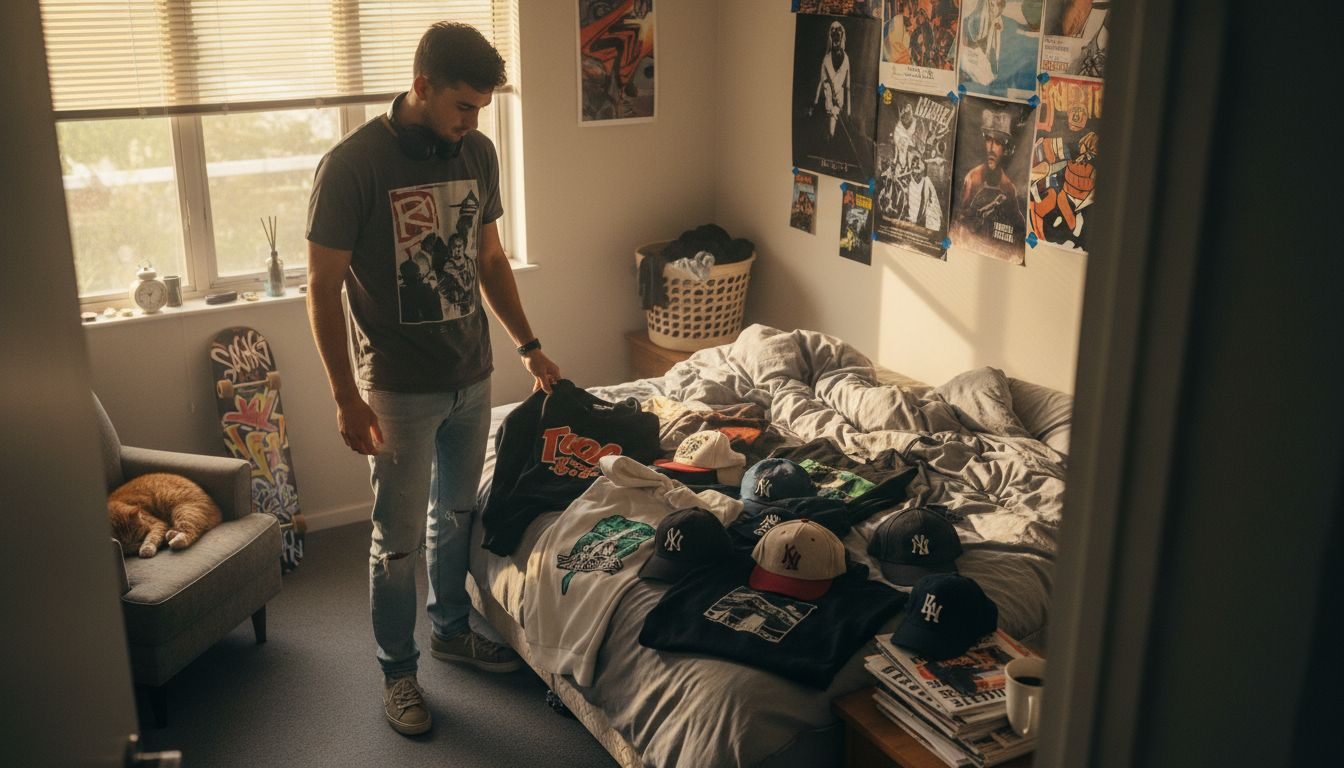
Eighty-five percent of streetwear roots trace back to hip-hop and skate culture, embedding rich cultural narratives into everyday apparel. When you wear a piece with symbolism in streetwear, you’re participating in a larger cultural conversation. These symbols connect you to communities that share your worldview.
Wearing symbolic apparel tells a story. A hoodie with abstract art might signal your creative mindset. Bold color palettes can express confidence or rebellion. Each choice carries meaning that resonates with those who understand the cultural roots in streetwear language.
Common cultural symbols include:
- Brand logos representing authenticity or exclusivity
- Graffiti-inspired prints echoing urban art movements
- Bold color palettes like neon or monochrome schemes
- Skate culture motifs such as board graphics and DIY aesthetics
Pro Tip: Research the origins of symbols before adopting them. Authenticity comes from understanding what you wear, not just following trends blindly.
Symbolism gives your wardrobe depth. It transforms clothing from fabric into a medium for self-expression and cultural participation.
Common Misconceptions About Fashion Identity
Many believe following trends erases individuality, but this oversimplifies reality. Trends can actually amplify personal style when you integrate them thoughtfully.
Fast fashion often causes identity confusion rather than building authentic style. Mass-produced items lack the symbolic depth and quality that anchor genuine fashion identity. Chasing every trend creates a disjointed wardrobe that doesn’t reflect your true self.
Fashion identity involves more than clothing. It encompasses culture, values, and the narrative you construct through style choices. Understanding fashion identity misconceptions helps you avoid common pitfalls that dilute authentic expression.
Misconceptions and corrections include:
- Misconception: Trend adoption destroys identity. Reality: Selective trend integration can enhance your unique style when aligned with your values.
- Misconception: Fast fashion aids style building. Reality: Quality over quantity creates lasting identity through meaningful pieces.
- Misconception: Fashion identity is only clothes. Reality: It’s a holistic blend of culture, symbolism, and personal narrative.
Integrating trends thoughtfully can enhance and reinforce your personal style identity.
You don’t have to reject trends entirely. The key is curation. Choose elements that resonate with your existing identity rather than adopting everything that appears on your feed. This approach maintains authenticity while keeping your style fresh.
Frameworks to Develop Authentic Fashion Identities
The Identity Triangle model provides structure for building authentic fashion identities. It balances three components: individuality, culture, and trend adaptation.
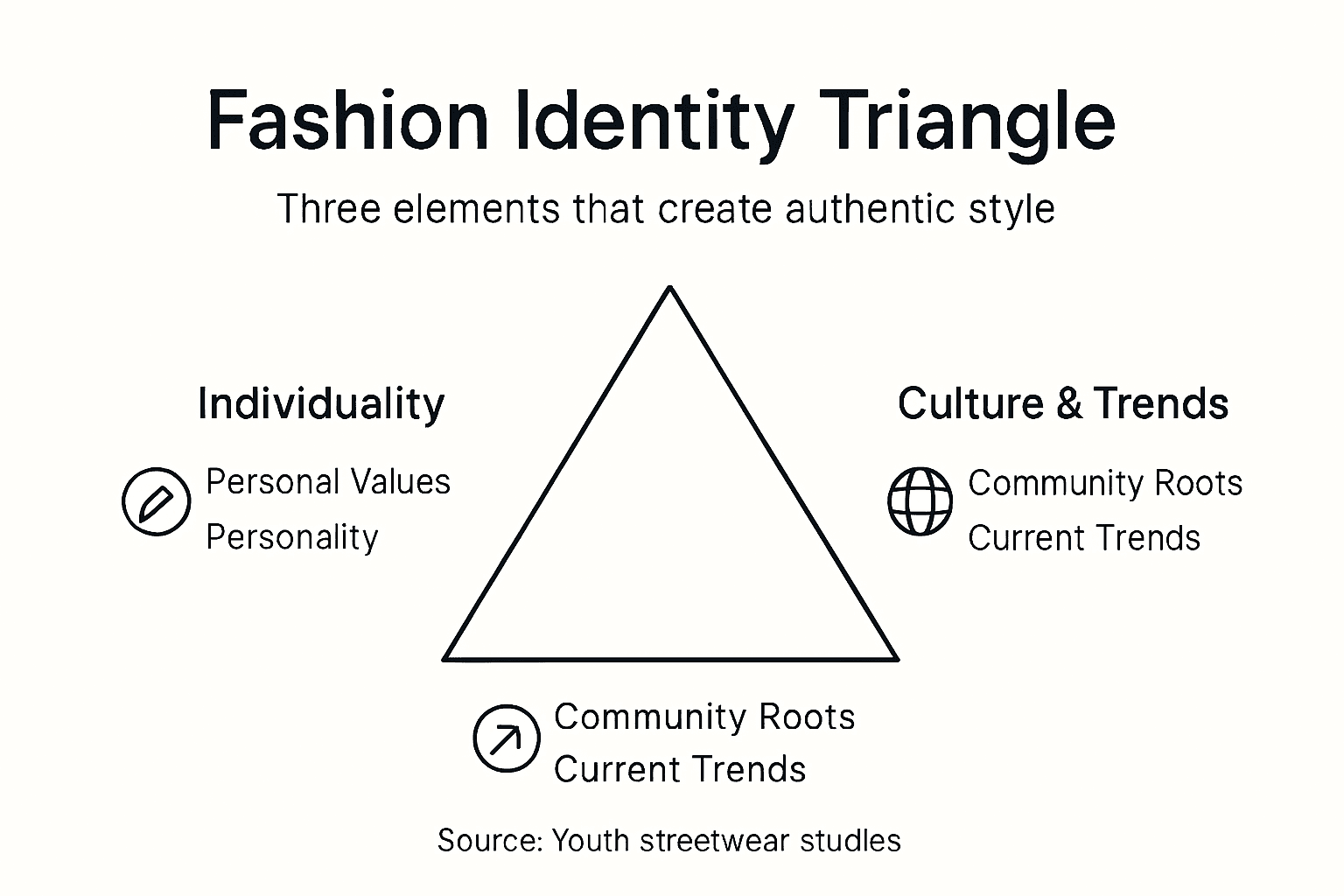
Individuality represents your core values and personality. Culture connects you to communities and movements that matter to you. Trend adaptation keeps your style current without compromising authenticity. Balancing these three creates cohesive, genuine fashion identity.
| Criteria | Authentic Streetwear Identity | Trend-Driven Fashion |
|---|---|---|
| Foundation | Personal values and cultural connection | Current market trends |
| Longevity | Timeless pieces with symbolic meaning | Seasonal, disposable items |
| Expression | Intentional, narrative-driven choices | Reactive, imitative purchases |
| Community | Deep cultural affiliation | Surface-level participation |
Practical steps to apply the Identity Triangle:
- Reflect on your core values and what movements or cultures resonate with you
- Explore symbolic pieces that tell your story and represent your affiliations
- Adopt trends selectively, choosing only elements that enhance your established identity
- Curate deliberately, removing items that don’t align with your narrative
Pro Tip: Focus on symbolic relevance and quality over mass trends for style authenticity. Three meaningful pieces outperform thirty trend-chasing items.
Understanding symbolism empowering self-expression helps you make choices that build rather than dilute your identity. Each purchase becomes an investment in your authentic self-presentation.
Psychological Impact and Social Benefits of Fashion Identity
Research links strong fashion identity to increased self-esteem and confidence. When your outward appearance aligns with your inner values, you experience congruence that boosts psychological well-being.
Fashion acts as a social connector, creating a sense of belonging in communities. Wearing symbols that signal your affiliations helps you find like-minded individuals. This connection reduces feelings of isolation common among young adults navigating identity formation.
Positive mental health outcomes result from authentic self-expression through style. When you dress in ways that genuinely represent you, you experience less anxiety about social judgment. Your clothing becomes armor rather than costume.
Psychological impacts include:
- Improved self-image through visual affirmation of identity
- Reduced social anxiety when appearance matches authentic self
- Enhanced peer connections based on shared cultural values
- Increased confidence in self-presentation and social interactions
Studies on fashion identity and mental health demonstrate measurable improvements in well-being when individuals express authentic fashion identities. The relationship between fashion identity and self-esteem is particularly strong among young adults in urban environments.
Your wardrobe affects your mood and social experiences more than you might realize. Investing time in developing authentic fashion identity pays dividends in psychological and social domains.
Applying Your Fashion Identity: Practical Tips for Shoppers
Assess your core values and cultural influences before shopping. What matters to you? Which communities or movements do you want to represent? These questions guide meaningful purchases.
Experiment with symbolic streetwear pieces that resonate with you. Try items with graphics, colors, or silhouettes that tell your story. Don’t buy something just because it’s popular.
Adopt current trends selectively, integrating only those that fit your identity. If oversized silhouettes align with your aesthetic, embrace them. If they don’t, skip them regardless of hype.
Curate your wardrobe with meaningful, quality pieces over mass trends. Applying structured strategies increases satisfaction in style authenticity by 45% among young adults, making intentional shopping worthwhile.
Key shopping tips:
- Reflect on what matters to you before browsing collections
- Choose symbols that tell your story and connect to your values
- Keep trend adoption strategic, not reactive
- Prioritize quality and uniqueness over quantity and conformity
Pro Tip: Mindful shopping reduces identity confusion and enhances style confidence. Create a mood board of styles that resonate before making purchases.
Learn to personalize your streetwear through customization. Adding your own touches transforms generic pieces into identity markers. This stepwise guide to building fashion identity provides additional frameworks for developing authentic style.
Your wardrobe should evolve with you, not with every trend cycle. Build slowly and intentionally.
Discover Your Bold Streetwear Style at ELEDOasis
Ready to express your authentic fashion identity? ELEDOasis offers specially curated streetwear pieces designed to reflect individuality and creative expression.
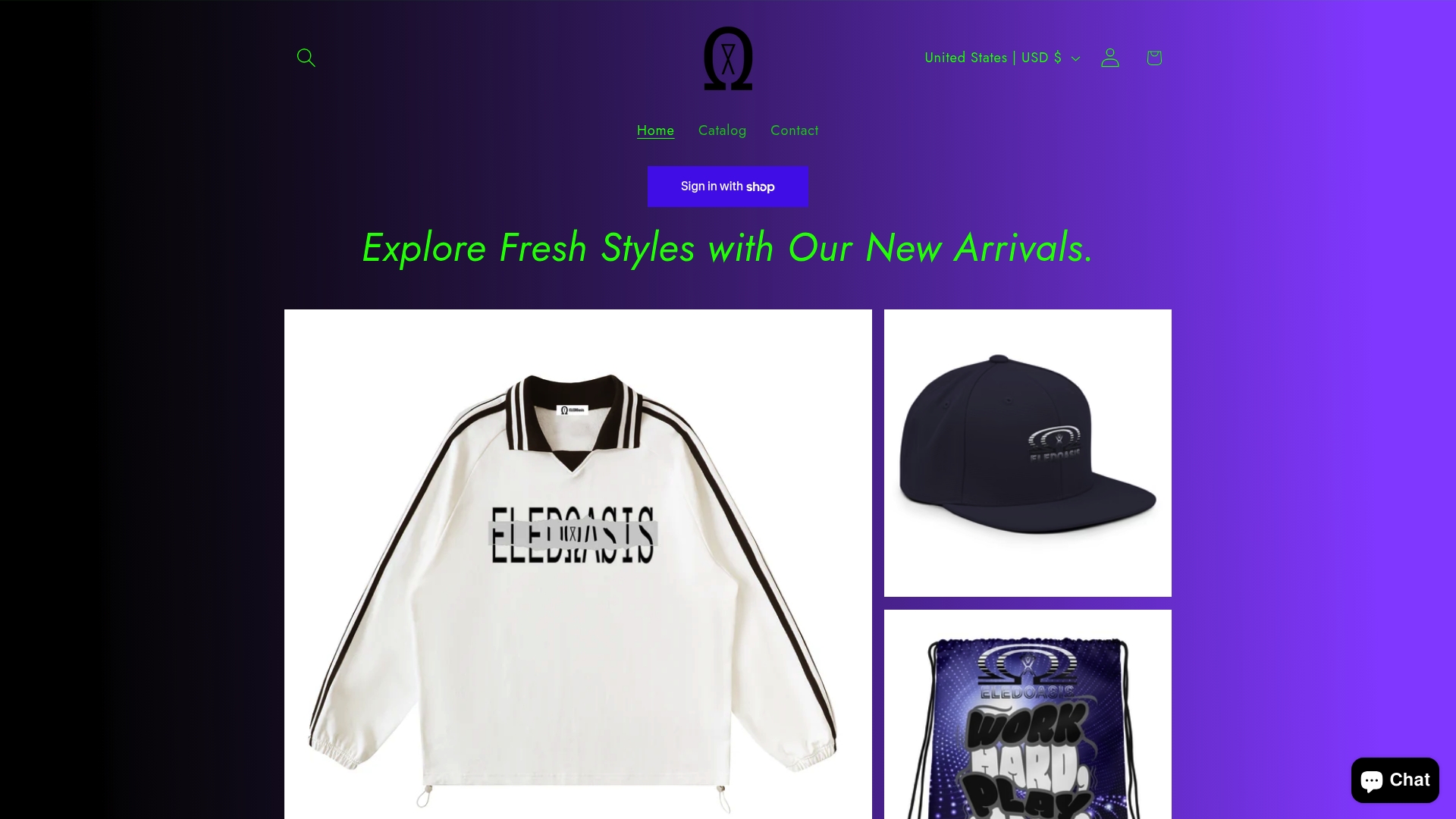
Explore collections featuring symbolic designs, bold graphics, and quality construction that tells your story. From statement hoodies to unique accessories, each piece supports your journey toward authentic self-expression in 2026.
Access detailed streetwear culture insights and style inspiration through the ELEDOasis blog. Discover empowering streetwear symbolism that connects you to cultural movements. Join a community that values culture-driven, bold streetwear styles rooted in authenticity.
Visit the ELEDOasis home page to explore the full catalog and find pieces that align with your Identity Triangle.
Frequently Asked Questions
What is fashion identity in streetwear?
Fashion identity in streetwear is how you use clothing to express your values, cultural affiliations, and personality. It blends individual creativity with symbolic elements rooted in hip-hop and skate culture. Your choices communicate who you are and what communities you belong to.
How can I blend trends with my personal style authentically?
Adopt trends selectively by filtering them through your Identity Triangle. Ask whether a trend aligns with your values and cultural connections before incorporating it. Use trends as accents rather than foundations, maintaining your core aesthetic while staying current.
What role do cultural symbols play in fashion identity?
Cultural symbols act as visual language in streetwear, communicating affiliations and values instantly. They connect you to movements and communities while adding depth to your wardrobe. Understanding these symbols ensures your choices are intentional rather than superficial.
How do I avoid fast fashion pitfalls while building my wardrobe?
Prioritize quality over quantity and symbolic meaning over fleeting trends. Research brands and their cultural connections before purchasing. Build slowly with pieces that tell your story rather than chasing every new release.
Why does fashion identity improve mental well-being?
Authentic fashion identity creates alignment between your inner values and outer appearance, reducing cognitive dissonance. This congruence boosts confidence and self-esteem. It also facilitates community connections, reducing isolation and enhancing social belonging.