How trends shape youth style and streetwear in 2026
Youth style is often dismissed as shallow trend hopping, but the reality in 2026 is far more complex. Today’s youth blend viral trends with deep personal identity work, creating signature styles that signal authenticity and community. Streetwear has transformed from niche rebellion to mainstream creative expression. This article breaks down how trends influence youth fashion decisions, how streetwear evolved into a vehicle for self-expression, and why product drops and social media dominate how young people engage with style today.
Table of Contents
- The Evolution Of Youth Style: From Chasing Trends To Cultivating Identity
- Streetwear’s Transformation: From Subculture Roots To Mainstream Self-Expression
- The Impact Of Product Drops And Social Media On Youth Trend Engagement
- Balancing Brands, Trends, And Personal Identity In Youth Style
- Explore Bold, Authentic Style With ELEDOasis Gear
Key takeaways
| Point | Details |
|---|---|
| Gen Z builds signature styles | Young adults shift focus from rapid trend cycling to curated personal uniforms emphasizing quality and consistency. |
| Streetwear is mainstream identity expression | Streetwear evolved from hip-hop and skate subcultures into a cultural movement prioritizing craftsmanship, comfort, and community over traditional luxury. |
| Product drops drive urgency | Limited releases and social media hype create scarcity-driven excitement, influencing youth consumption patterns and community participation. |
| Youth balance brands and identity | Adolescents use branded clothing to negotiate tension between individual authenticity and social conformity in complex identity formation. |
| Sustainability replaces fast fashion | Post-pandemic youth increasingly prioritize lasting quality and ethical choices over disposable trend items in their core wardrobes. |
The evolution of youth style: from chasing trends to cultivating identity
Gen Z is shifting from rapid aesthetic changes to establishing a signature style as they enter their 30s, focusing on curated maximalism and reliable personal uniforms. This represents a fundamental change in how youth approach fashion. Instead of jumping between microtrends every season, young adults now invest in building a recognizable visual identity that communicates who they are.
This transition involves embracing repeatable looks built around quality staples. Think bold statement pieces paired with versatile basics you can wear multiple times without losing interest. Younger teens still experiment widely with trending aesthetics, testing different identities through fashion. Older youth prioritize personal branding through style, choosing pieces that reinforce their established image.
The shift reflects maturation from identity exploration to crystallization. Early experimentation helps youth discover what resonates authentically. As they age, they curate wardrobes that balance trendiness with timeless elements, creating a foundation for signature style. This approach values consistency over novelty.
Key elements of signature style development:
- Investing in fewer, higher quality pieces that reflect core aesthetic preferences
- Repeating favorite outfits and looks to build visual recognition
- Mixing trending accents with established wardrobe staples
- Prioritizing comfort and functionality alongside visual impact
Pro Tip: Start building your signature style by identifying three core colors and two silhouettes you love, then add trending accessories to keep looks fresh without losing your identity foundation.
Balancing trendiness with personal authenticity creates a strong style foundation that evolves with you rather than requiring constant reinvention. This strategic approach lets you participate in fashion trends without sacrificing the consistency needed for strong fashion identity.
Streetwear’s transformation: from subculture roots to mainstream self-expression
Streetwear evolved from hip-hop, surf-skate, and graffiti subcultures into mainstream fashion emphasizing craftsmanship, tailoring, and comfort. These 90s origins created a foundation focused on community belonging and counterculture identity. Today’s streetwear landscape looks dramatically different while maintaining that spirit of authenticity.
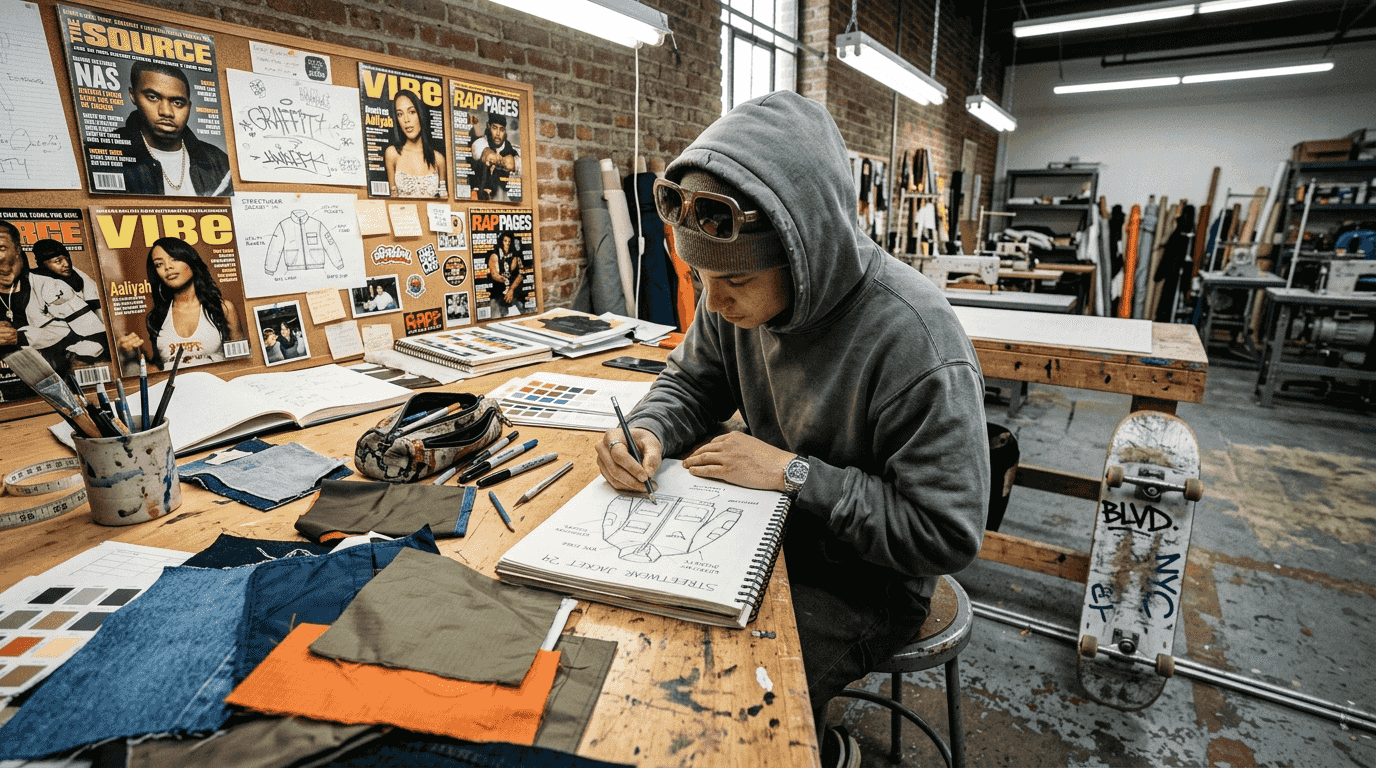
Modern streetwear blends relaxed suiting with technical fabrics, luxury craftsmanship with accessible price points, and functional sneakers with high-fashion sensibility. The aesthetic has matured beyond oversized hoodies and baggy jeans into sophisticated territory. Youth now embrace streetwear as a movement for creative expression rather than mere clothing.
The value of streetwear is shifting from price and polish to context, community, and cultural signaling. Authenticity matters more than traditional luxury markers. Lived experience and cultural knowledge trump expensive branding. This democratization makes streetwear accessible while maintaining exclusivity through cultural capital rather than financial barriers.
Streetwear evolution comparison:
| Aspect | Old Streetwear (90s-2000s) | New Streetwear (2020s) |
|---|---|---|
| Focus | Subculture rebellion | Mainstream creative expression |
| Quality | Function over form | Craftsmanship and comfort |
| Value driver | Brand logos and hype | Context and community |
| Aesthetic | Baggy, oversized basics | Tailored, technical fabrics |
| Access | Physical stores, limited drops | Global digital access |
Youth embrace streetwear because it offers a platform for boldness without pretension. The movement validates urban demographic fashion trends that prioritize self-expression over conformity. As streetwear trends in 2026 continue evolving, the core commitment to authenticity remains constant.
How streetwear maintains cultural relevance:
- Honoring subcultural origins through design references and collaborations
- Prioritizing community input and grassroots brand building over top-down marketing
- Balancing accessibility with exclusivity through limited releases and cultural knowledge requirements
- Incorporating functionality and comfort as primary design considerations
- Supporting diverse creators and perspectives within the movement
Pro Tip: Build streetwear credibility by learning the cultural history behind pieces you wear, from skate deck graphics to hip-hop album artwork, rather than just chasing visible logos.
The impact of product drops and social media on youth trend engagement
Product drop culture uses scarcity to create urgency and excitement, significantly influencing consumer behavior, especially among youth. Limited releases sell out in minutes, creating intense competition for coveted items. Brands like Nike and Supreme perfected this model, making scarcity a core marketing strategy rather than an operational constraint.
Drops fundamentally changed how youth experience and adopt trends. Instead of gradual seasonal rollouts, fashion now moves in rapid bursts of availability. You either act fast or miss out entirely. This creates adrenaline-fueled shopping experiences that feel more like events than transactions.
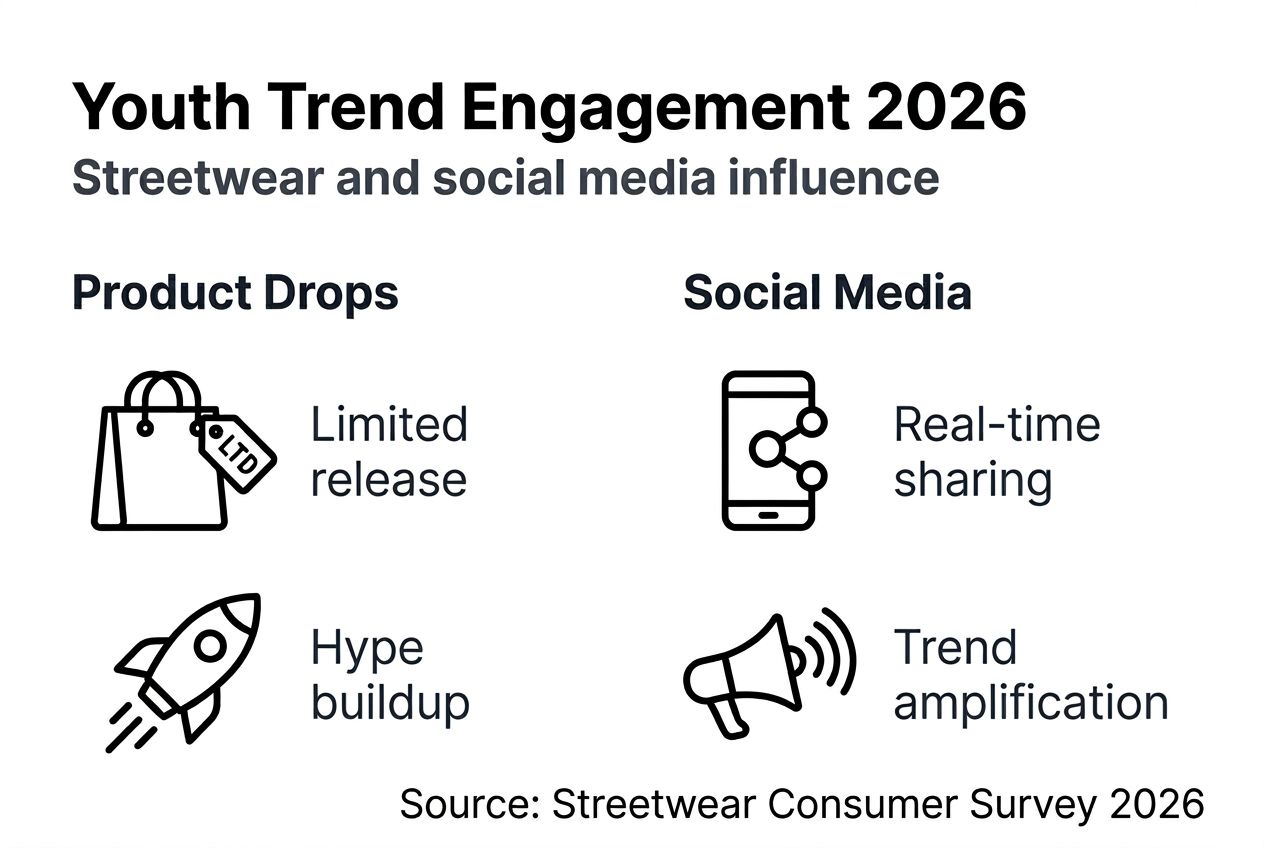
Social media platforms like Instagram and Twitter amplify product drops, build hype, and engage consumers in real time. Teasers generate speculation weeks before launch. Countdowns create collective anticipation. Influencers review and style pieces, validating purchases before you even receive them. This ecosystem turns shopping into participatory culture.
Youth use drop culture to feel part of exclusive communities and cultural moments. Successfully securing a limited release item provides social currency and belonging. The shared experience of waiting, competing, and celebrating creates bonds among enthusiasts. Fashion movements now spread through these digital communities rather than traditional media channels.
Key social media strategies fueling product drop success:
- Cryptic teasers posted days before release to generate speculation
- Live countdown timers building collective anticipation and urgency
- Influencer unboxings and styling content validating purchase decisions
- User-generated content showcasing successful purchases and creative styling
- Real-time stock updates and waitlist notifications maintaining engagement
Supreme’s New York store regularly sees lines forming hours before drops, with some limited releases selling out within 11 seconds online, demonstrating the extreme impact of scarcity-driven demand.
This model creates accessibility challenges. Limited quantities mean many interested buyers get shut out. Resale markets emerge where prices skyrocket, putting trendy pieces out of reach. Yet the exclusivity also strengthens community bonds among those who succeed, creating shared identity through collective experience.
Balancing brands, trends, and personal identity in youth style
Branded clothing helps adolescents negotiate ambivalence between individual aspirations and social expectations through deep identification processes. Youth face constant tension between expressing authentic self and conforming to peer norms. Fashion becomes the primary tool for navigating this complexity.
Branded apparel serves both personal and social functions simultaneously. On one level, you choose items that genuinely resonate with your identity and aesthetic preferences. On another, you select pieces that signal belonging to desired social groups and cultural communities. These dual functions make fashion and identity inseparable for youth.
Adolescents use trends strategically, sometimes adopting and sometimes rejecting them, to craft their social image. Embracing a viral trend shows cultural awareness and social connection. Rejecting mainstream trends signals independence and alternative identity. Both moves communicate deliberate messages about who you are and which communities you align with.
Psychological concepts explaining identity negotiation through fashion:
- Deep identification: Forming emotional connections with brands that reflect core values and aspirations
- Social suggestion: Adopting styles recommended by peers to maintain group belonging
- Differentiation: Selecting unique pieces or combinations to stand out from the crowd
- Symbolic consumption: Using branded items to communicate identity markers to others
Individual vs. collective identity factors in fashion choices:
| Factor | Individual Identity Focus | Collective Identity Focus |
|---|---|---|
| Primary motivation | Authentic self-expression | Social acceptance and belonging |
| Brand selection | Personal aesthetic alignment | Peer-endorsed and popular brands |
| Trend adoption | Selective based on personal taste | Responsive to group norms |
| Style consistency | Signature look development | Flexible adaptation to social contexts |
| Purchase drivers | Quality and personal meaning | Social signaling and status |
Personal branding in fashion becomes a critical form of youth communication and self-definition. Your wardrobe tells a story about your values, interests, cultural knowledge, and social positioning. Every outfit choice contributes to or contradicts that narrative. Youth understand this intuitively, curating their style with the same care they curate their social media presence.
The most successful youth style approaches balance these competing demands. You can honor social expectations while preserving authentic self-expression by choosing branded items that genuinely resonate with your identity. Strategic trend adoption lets you participate in cultural moments without sacrificing your signature style foundation.
Explore bold, authentic style with ELEDOasis gear
Ready to build a signature style that balances trends with authentic identity? ELEDOasis offers high-quality streetwear-inspired apparel designed for youth who refuse to compromise on boldness or individuality. Our collection merges comfort, durability, and creative expression in every piece.
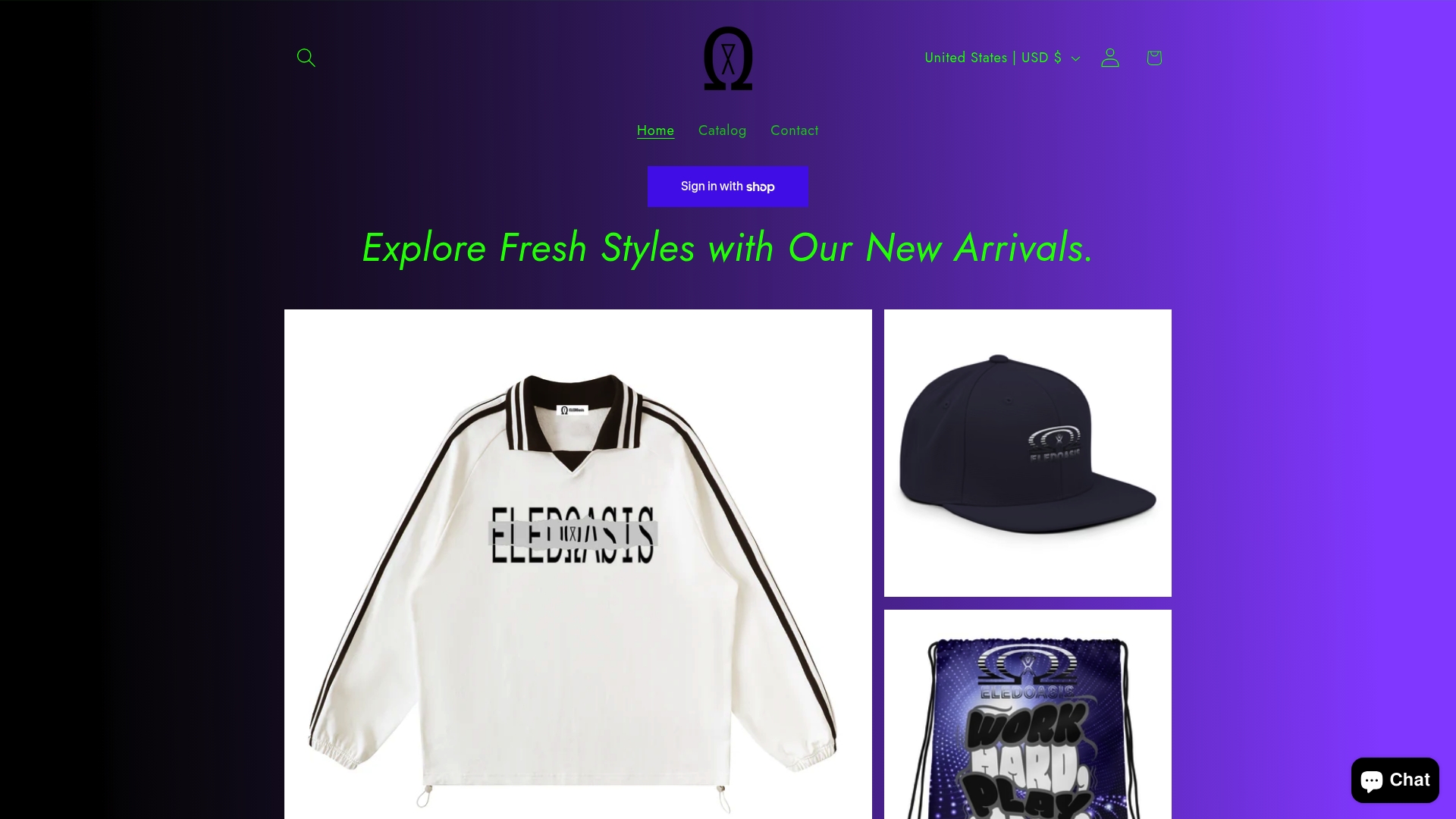
Explore moisture-wicking performance tees that fuse athletic functionality with streetwear aesthetics, perfect for building versatile outfit foundations. Pair them with men’s athletic shoes that deliver comfort without sacrificing style impact. Every item at ELEDOasis supports your journey toward fashion that reflects who you truly are, not just what’s trending this week. Find gear that amplifies your creative expression and love for bold, modern fashion rooted in streetwear culture.
FAQ
How do youth combine trends with individuality today?
Youth curate trends selectively, blending popular elements with personal touches to signal both cultural awareness and creative identity. They prioritize quality, timeless pieces as wardrobe foundations, using trends strategically for accents and seasonal updates. This approach lets them participate in cultural moments without sacrificing signature style consistency.
What role does social media play in youth style trends?
Social media accelerates trend visibility through real-time updates, influencer promotion, and viral content distribution. Platforms foster hype around product drops and connect youth communities around shared aesthetic interests. This creates participatory fashion culture where trends spread rapidly through digital networks rather than traditional media channels.
Why are sustainability and quality emphasized by youth over fast fashion?
Post-pandemic youth increasingly value sustainability and lasting quality to reflect authentic personal values and environmental awareness. Many now reserve fast fashion purchases for temporary trend experiments or accessories rather than core wardrobe items. This shift prioritizes investment pieces that align with long-term identity and ethical commitments over disposable trend participation.
How does product drop culture affect accessibility to trendy streetwear?
Product drops create excitement and community bonding but significantly limit accessibility due to intentionally restricted quantities. Limited releases often sell out within minutes, creating frustration for many interested buyers and inflated resale markets. However, the exclusivity also strengthens community bonds among successful purchasers who share the experience of competing for coveted items.
What defines signature style for Gen Z?
Signature style for Gen Z means developing a recognizable visual identity through curated maximalism and repeatable personal uniforms. It involves investing in quality staples that reflect core aesthetic preferences while strategically incorporating trending accents. This approach values consistency and authenticity over constant reinvention, letting youth build fashion identity that matures with them.
Recommended
- Youth Fashion Trends: Shaping Identity in 2026 – ELEDOasis
- Streetwear Trends 2026: Bold Identity, Smart Style – ELEDOasis
- Step by Step Streetwear Trends 2026 Guide for Creatives – ELEDOasis
- 7 Bold Street Fashion Trends to Own in 2026 – ELEDOasis
- Color Trends in Apparel – Impact on Streetwear Style – Smoked Times