Role of Art in Fashion – Shaping Identity and Culture
Most American youth who love streetwear know that visual creativity shapes more than just what you wear. Art-driven fashion offers a bold outlet for self-expression, letting you communicate powerfully without saying a word. With nearly 60 percent of young adults worldwide choosing apparel based on artistic influences, understanding this connection can inspire your own unique style and help your clothing tell your personal story.
Table of Contents
- Defining the Intersection of Art and Fashion
- Artistic Expression in Streetwear and Apparel
- Symbolism and Visual Storytelling in Design
- Collaborations Between Artists and Fashion Brands
- Impact on Personal Identity and Self-Expression
Key Takeaways
| Point | Details |
|---|---|
| Art and Fashion Intersect | Fashion is a platform for artistic expression, merging visual creativity with wearable design to challenge cultural norms. |
| Streetwear as Artistic Medium | Streetwear combines personal narrative and graphic design, serving as a powerful voice for cultural identity and self-expression. |
| Symbolism in Design | Designers leverage cultural symbols to communicate complex ideas, enhancing emotional engagement with audiences. |
| Collaborations Enhance Value | Partnerships between artists and fashion brands provide creative exposure, broaden market reach, and create narratives that resonate culturally. |
Defining the Intersection of Art and Fashion
The relationship between art and fashion represents a dynamic, symbiotic dialogue that transcends mere aesthetic collaboration. Historical and contemporary analyses reveal a complex narrative where visual creativity and wearable design continuously inform and challenge each other.
Fashion emerges as more than clothing - it is a canvas for artistic expression, reflecting cultural movements, social dynamics, and personal identity. From the intricate designs inspired by Art Deco to the bold statements of Pop Art, fashion designers have consistently drawn inspiration from artistic movements. Contemporary artistic collaborations demonstrate how clothing can be a medium for storytelling, provocation, and cultural commentary.
This intersection manifests through multiple dimensions. Artists collaborate with fashion houses, creating limited edition collections that blur traditional boundaries. Runway shows become performance art, designers transform garments into sculptural statements, and fashion photography emerges as a legitimate art form. The result is a rich, multidimensional dialogue where creativity knows no disciplinary limits.
Pro tip: Explore fashion exhibitions and art museums to understand how visual creativity translates across different mediums and gain inspiration for your personal style expression.
Artistic Expression in Streetwear and Apparel
Streetwear represents far more than clothing - it is a powerful medium of artistic communication and cultural identity. Research exploring Generation Z’s fashion choices reveals how streetwear transcends traditional fashion boundaries, emerging as a dynamic form of self-expression rooted in subcultural movements like skateboarding, hip-hop, and graffiti.
The artistic elements in streetwear are deeply multidimensional, blending graphic design, social commentary, and personal narrative. Contemporary youth culture demonstrates how apparel becomes a canvas for visual storytelling, with each garment carrying embedded meanings that reflect individual experiences, cultural heritage, and social perspectives. Graphic prints, innovative silhouettes, and unconventional material combinations transform clothing from mere functional coverage to wearable art.
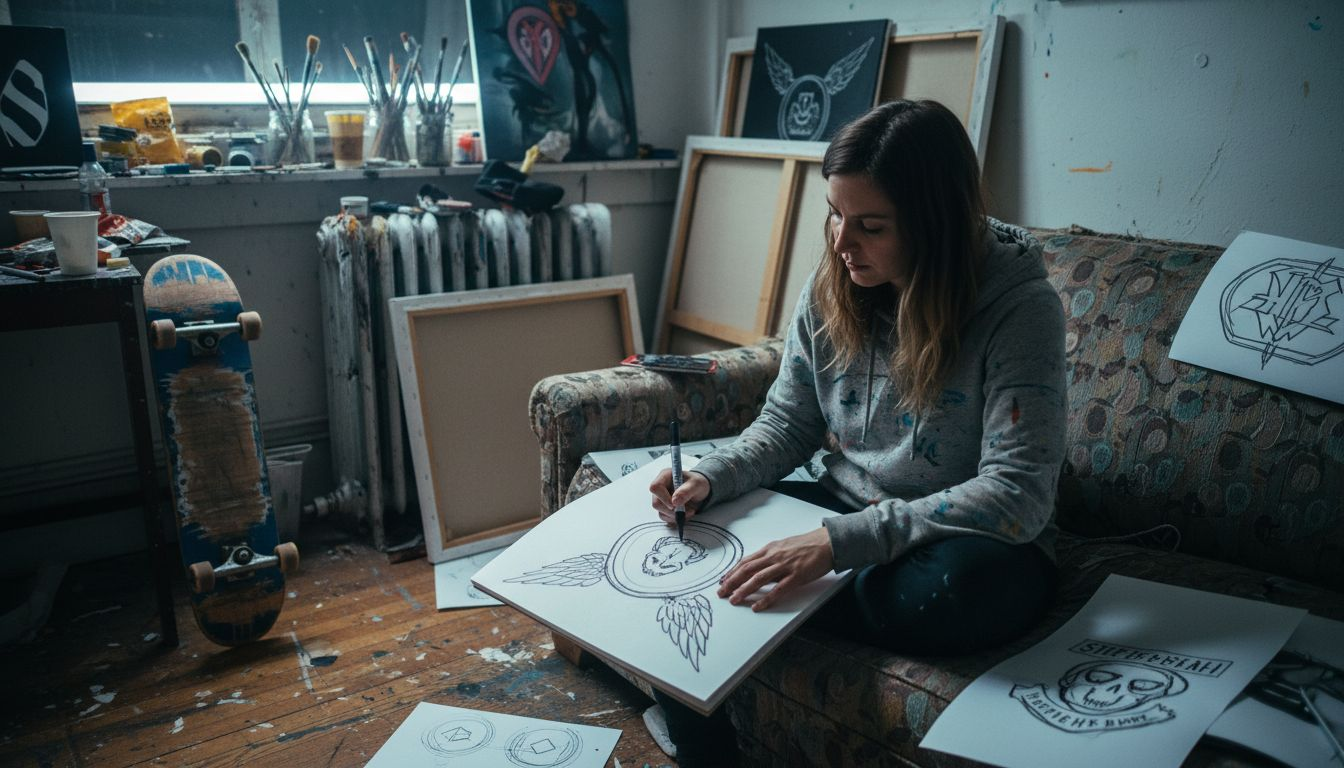
Understanding streetwear as an artistic medium requires recognizing its role in challenging societal norms and creating visual dialogues. Young designers and artists continually push creative boundaries, using clothing as a platform for provocative statements, cultural critique, and personal branding. The intersection of art and streetwear creates a unique space where fashion becomes a powerful tool for individual and collective expression.
Pro tip: Experiment with layering different textures and graphic elements to develop your unique artistic streetwear style and transform clothing into a personal creative statement.
Symbolism and Visual Storytelling in Design
Visual storytelling represents a powerful communication mechanism where design transcends aesthetic boundaries to convey profound cultural narratives. Instagram fashion archives reveal how brands strategically utilize visual semiotics to create emotional connections, transforming simple imagery into complex narrative landscapes that resonate with global audiences.
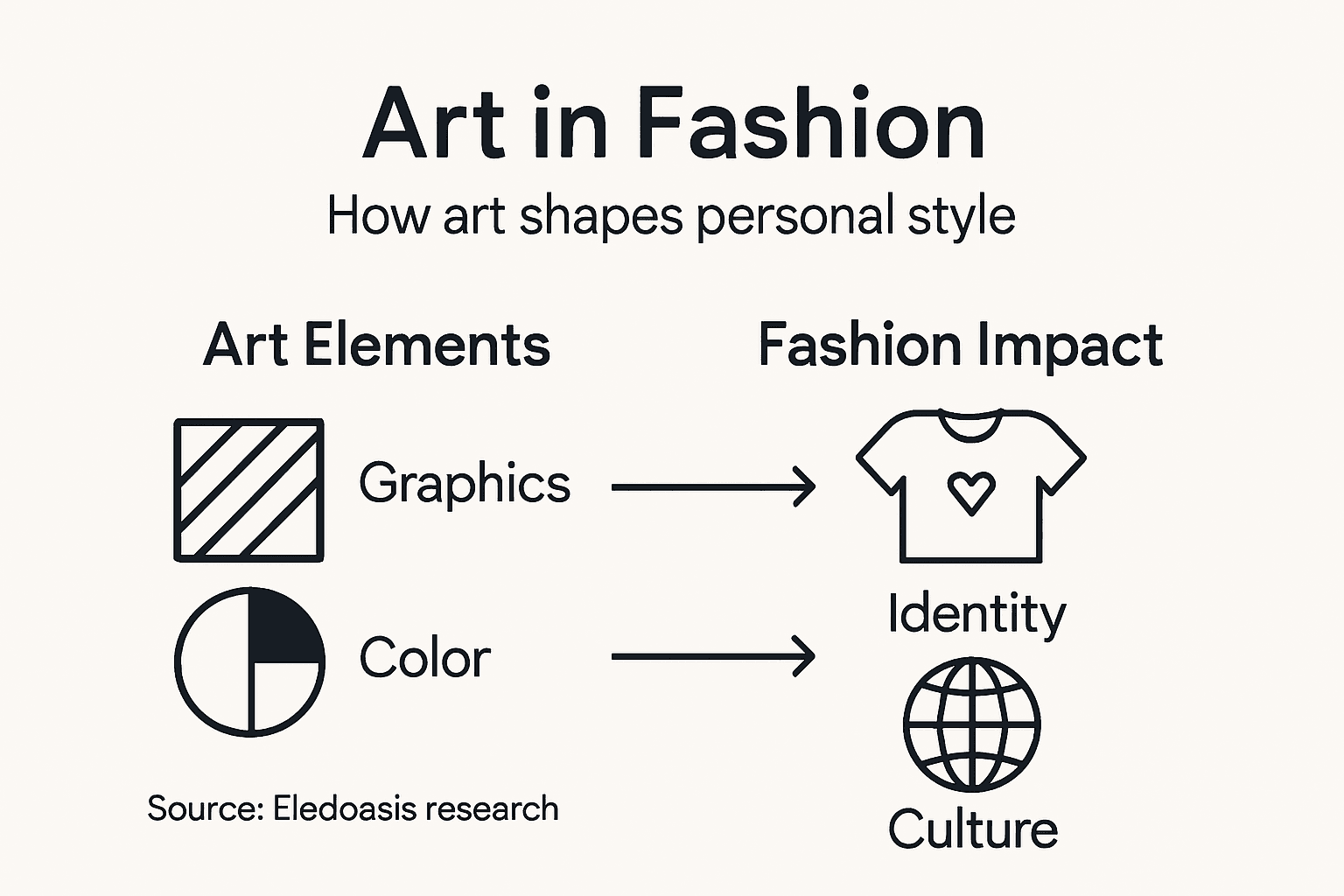
Cultural symbols serve as critical design elements, functioning as visual languages that communicate complex ideas and collective experiences. Graphic design research demonstrates how designers strategically leverage symbolic representations to encapsulate societal values, historical contexts, and personal identities. These symbols become more than decorative elements - they are powerful communicative tools that bridge individual experiences with broader cultural narratives.
The art of visual storytelling requires nuanced understanding of symbolic language, cultural context, and emotional resonance. Designers must navigate complex terrains of representation, ensuring that their visual narratives are authentic, respectful, and meaningful. By carefully selecting and combining symbolic elements, creators can craft designs that speak directly to audience experiences, challenging traditional communication boundaries and creating deeply engaging visual experiences.
This table summarizes the main functions of symbolism in fashion design:
| Symbol Function | Example Use | Impact on Audience |
|---|---|---|
| Cultural Identity | Traditional prints | Fosters cultural connection |
| Social Commentary | Bold graphic motifs | Stimulates dialogue |
| Personal Expression | Unique symbols or logos | Communicates individuality |
| Historical Reference | Retro styles or icons | Evokes nostalgia |
Pro tip: Research the cultural significance of symbols before incorporating them into your design to ensure authentic and meaningful representation.
Collaborations Between Artists and Fashion Brands
Artistic collaborations represent a dynamic intersection where creative expression meets commercial innovation. Luxury brand partnerships reveal how contemporary artists and fashion brands can transcend traditional boundaries, creating transformative experiences that challenge conventional marketing approaches and inspire social dialogue.
These strategic alliances are far more than mere commercial transactions. Research investigating collaborative value demonstrates that such partnerships generate significant mutual benefits. Artists gain unprecedented exposure and platform reach, while brands acquire unique creative perspectives that enhance their cultural relevance and brand storytelling. The collaboration becomes a symbiotic relationship where artistic integrity and commercial vision coexist, producing innovative visual narratives that resonate with global audiences.
Here’s a comparison of how artistic collaborations impact both artists and fashion brands:
| Benefit Area | Artists | Fashion Brands |
|---|---|---|
| Creative Exposure | Showcases creative vision | Gains fresh design perspective |
| Market Reach | Accesses new audiences | Expands brand cultural relevance |
| Value Generation | Receives increased recognition | Builds innovative brand identity |
| Storytelling | Shares artistic narrative | Enhances brand storytelling |
Successful collaborations require deep mutual understanding and respect for each other’s creative domains. Brands must approach artists as true creative partners, allowing genuine artistic interpretation rather than treating them as simple design resources. This approach transforms collaborative projects from superficial marketing exercises into meaningful cultural statements that challenge audience expectations, provoke critical thinking, and redefine the boundaries between art, fashion, and commercial expression.
Pro tip: Research potential artistic collaborators thoroughly, ensuring their creative vision aligns with your brand’s core values and aesthetic philosophy.
Impact on Personal Identity and Self-Expression
Fashion emerges as a powerful medium of personal communication, transcending mere clothing to become a dynamic language of self-representation. Research among fashion designers reveals how individuals strategically utilize clothing choices to communicate personality traits, cultural values, and innermost creative expressions.
The intricate relationship between fashion and personal identity extends far beyond surface-level aesthetics. Studies exploring fashion choices demonstrate that clothing serves as a nuanced psychological tool, influencing self-confidence, emotional states, and social interactions. Each garment becomes a carefully curated statement, reflecting personal narratives, cultural backgrounds, and individual aspirations.
Personal style represents an ongoing dialogue between individual creativity and broader social contexts. Young adults particularly leverage fashion as a dynamic form of self-discovery, using clothing to experiment with identities, challenge societal norms, and communicate complex personal narratives. By selecting specific styles, textures, and designs, individuals craft visual autobiographies that evolve alongside their personal growth and changing perspectives.
Pro tip: Experiment with mixing different style elements to discover and communicate your unique personal narrative through fashion.
Express Your Identity Through Art-Inspired Streetwear
The article highlights how fashion serves as a canvas for personal identity and cultural storytelling. If you are searching for bold, visionary apparel that speaks your truth and reflects your unique worldview, you understand the challenge of finding clothing that truly captures your artistic self-expression. Themes like symbolism, visual storytelling, and the fusion of art and fashion call for apparel that goes beyond mere style and becomes a statement of who you are.
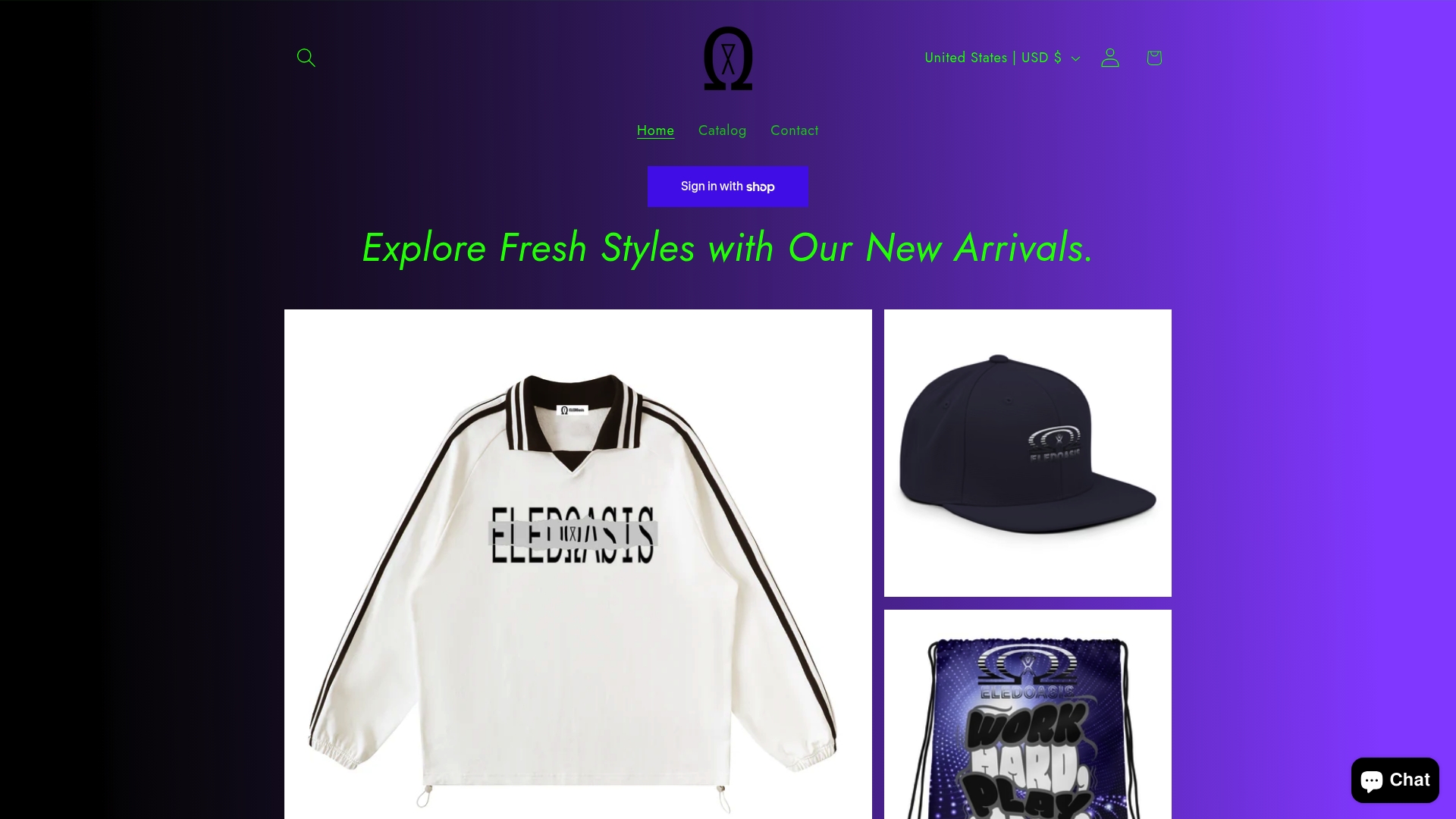
Discover a curated collection at Eledoasis where streetwear and art converge to awaken your consciousness and empower your self-expression. From graphic tees and hoodies to accessories that embody symbolism and individuality, every piece is designed to help you narrate your visual autobiography with confidence and boldness. Take the next step now by exploring our signature pieces and transform your wardrobe into wearable art that shapes your identity and culture today.
Frequently Asked Questions
What is the relationship between art and fashion?
The relationship between art and fashion is a dynamic dialogue where both disciplines inform and challenge each other, with fashion serving as a canvas for artistic expression and cultural commentary.
How does streetwear function as a form of artistic expression?
Streetwear goes beyond clothing by blending graphic design, social commentary, and individual narratives. It serves as a medium for self-expression rooted in subcultures, promoting personal identity through unique apparel designs.
What role does symbolism play in fashion design?
Symbolism in fashion design serves as a critical language that communicates complex cultural narratives, personal identities, and societal values, transforming simple designs into meaningful expressions.
How do collaborations between artists and fashion brands benefit both parties?
Collaborations provide mutual benefits where artists gain exposure and brands access unique creative perspectives, enhancing cultural relevance and storytelling, leading to innovative visual narratives.