Urban Demographic Fashion Trends: Shaping Modern Streetwear
Living in a city means your style is shaped by more than just trends—it evolves from the energy of diverse neighborhoods and the people around you. For young adults passionate about streetwear, fashion is a tool for expressing bold identity and social values. Urban demographic factors like age, income, and cultural background actively shape what you wear and how you stand out, offering you ways to adapt your look as a true reflection of who you are in your city’s unique ecosystem.
Table of Contents
- Defining Urban Demographic Fashion Trends
- Streetwear’s Influence On Youth Identity
- Cultural Diversity And Global Fashion Movements
- Technology, Social Media, And Trend Acceleration
- Risks Of Fast Fashion And Brand Authenticity
Key Takeaways
| Point | Details |
|---|---|
| Urban Demographics Shape Fashion | Fashion preferences emerge from age, income, culture, and geography, reflecting authentic expressions rather than imposed trends. |
| Streetwear as Identity | Streetwear enables youth to communicate individuality and belonging while prioritizing comfort and social inclusivity. |
| Cultural Awareness is Crucial | Understanding the origins of styles prevents cultural appropriation and enriches personal connections to fashion choices. |
| Mindful Consumption Matters | Before new purchases, consider sustainability and authenticity to align fashion choices with personal values. |
Defining Urban Demographic Fashion Trends
Urban demographic fashion trends represent the intersection of where people live, who they are, and how they express themselves through clothing. These aren’t random shifts in what looks good—they’re deeply rooted in the characteristics of city populations. When we talk about urban demographics, we’re looking at factors like age, income level, cultural background, education, and geographic location. Young adults in cities develop distinct fashion preferences based on their specific life circumstances, values, and social environments. The result is streetwear that reflects real human beings making real choices about their identity, not manufactured trends pushed by distant boardrooms.
What makes urban demographic fashion trends especially dynamic is that they emerge from the ground up. Cities concentrate people from different backgrounds into tight spaces, creating constant cultural exchange and innovation. Demographic characteristics shape how consumers engage with fashion, influencing everything from which brands resonate with you to how much you’re willing to spend on a statement piece. A 22-year-old in Brooklyn might gravitate toward vintage and thrifted pieces mixed with modern basics, reflecting both environmental consciousness and budget constraints. Meanwhile, a 28-year-old in Toronto with disposable income might invest in quality basics that allow for creative layering and personal style experimentation. Neither approach is “right”—they’re both authentic responses to who that person is and what their urban environment offers.
The relationship between where you live and how you dress goes beyond surface-level aesthetics. Global economic realities and regional fashion consumption patterns shape what becomes accessible and desirable in specific urban markets. A trend that catches fire in Los Angeles might take months to influence fashion choices in smaller cities, if it arrives at all. This geographical dimension means that understanding urban demographic trends requires looking at local contexts—the specific neighborhoods, the dominant age groups, the economic opportunities, and the cultural communities that call those spaces home. Your fashion choices are never isolated personal decisions; they’re part of a larger urban ecosystem where thousands of people with similar circumstances are making similar statements through their clothing.
Pro tip: Identify the specific urban demographic you belong to by considering your age range, income level, and the neighborhood or city where you spend most of your time, then observe which fashion styles are most prevalent among people who share your profile—this awareness helps you understand why certain trends resonate with you and how to adapt emerging styles to fit your authentic identity.
Here’s a comparison of how key urban demographic factors impact streetwear preferences:
| Demographic Factor | Influence on Fashion | Example City Trends |
|---|---|---|
| Age | Shapes comfort and style priorities | Young adults favor streetwear and thrifted pieces |
| Income Level | Determines affordability and brand choices | Higher earners invest in premium basics |
| Cultural Background | Introduces heritage and fusion styles | Diverse communities blend global influences |
| Neighborhood | Drives access to stores and trends | Trendsetters emerge in dense urban areas |
Streetwear’s Influence on Youth Identity
Your wardrobe is not just clothing—it’s a declaration. For young adults navigating cities and competing for attention in an oversaturated world, streetwear has become the primary language for expressing who you are before you even open your mouth. This isn’t about following trends blindly. Streetwear represents a shift where fashion stops being something dictated from the top down and starts being something you control from the ground up. When you choose a specific hoodie, pair of sneakers, or vintage graphic tee, you’re making a statement about your values, your community, and your place in the world. Generation Z uses streetwear to prioritize comfort, uniqueness, and social inclusivity, rejecting the idea that looking good requires suffering in stiff fabrics or restrictive silhouettes.
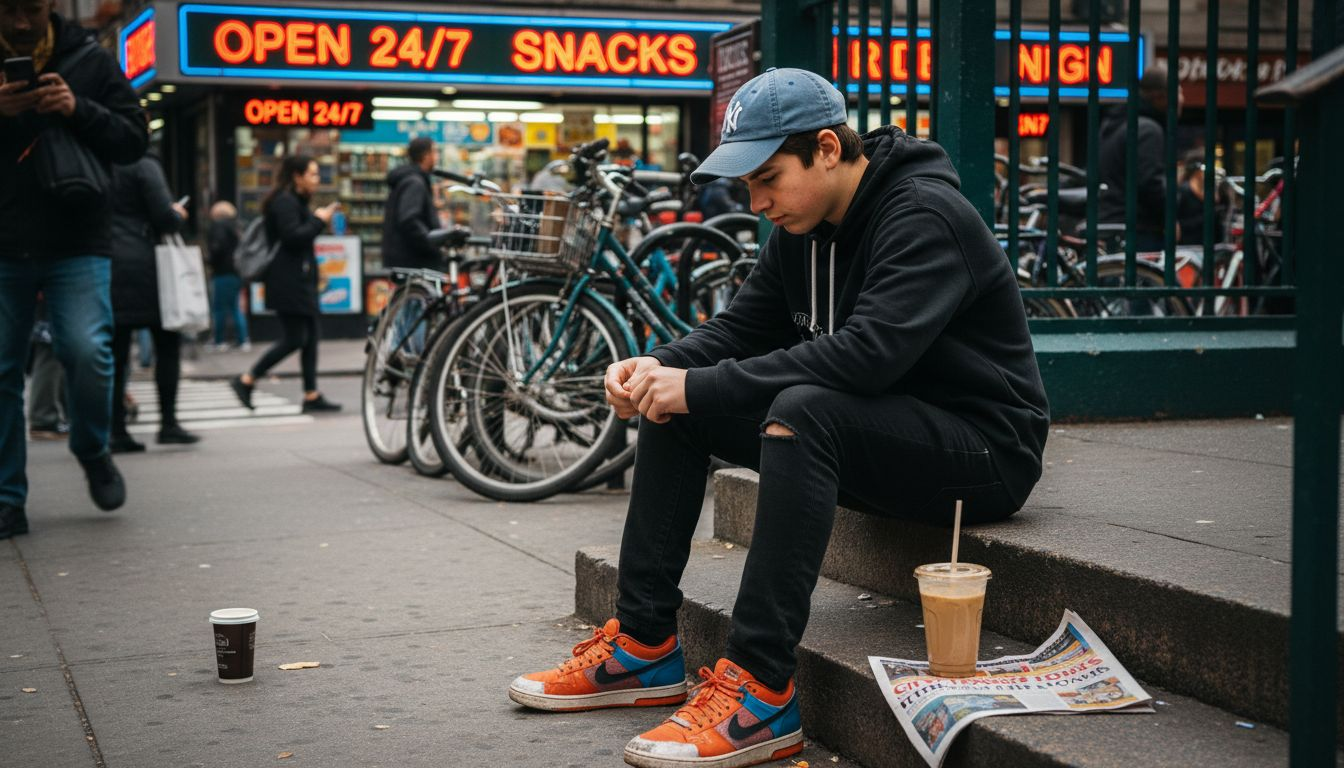
The psychological power of streetwear comes from its authenticity. Unlike high fashion, which often feels exclusive and disconnected from real life, streetwear grew from actual youth culture. Hip-hop communities created the aesthetic. Skaters developed the fit. Artists and designers collaborating with brands transformed pieces into canvas for creativity. This origin story matters because it means when you wear streetwear, you’re participating in something genuine—a movement built by people like you, not by boardrooms trying to predict what young people want. Streetwear functions as self-expression and identity construction among Generation Z, allowing youth to communicate personality, community affiliation, and creativity through fashion choices. Your outfit becomes a visual resume of your influences, your struggles, your humor, and your dreams.
What makes streetwear especially powerful for youth identity is how it facilitates belonging while celebrating individuality. You can wear the same brands as thousands of other people in your city, yet customize your look through layering, mixing, and personal styling choices that make it distinctly yours. This balance is exactly what young adults crave—connection without conformity. A basic white tee becomes profound when paired with vintage cargo pants and specific sneakers that signal both your taste and your cultural knowledge. The beauty is that there is no single correct way to do streetwear. Your authenticity matters more than perfection, which is why this aesthetic resonates so deeply with young people tired of traditional fashion gatekeeping and exclusionary standards.
Pro tip: Build your streetwear foundation around neutral basics that feel comfortable and allow personal expression through layering and accessories rather than trying to replicate exact looks you see online—this approach helps you develop an authentic style that reflects your personality while staying adaptable as trends evolve.
Cultural Diversity and Global Fashion Movements
Streetware doesn’t exist in a vacuum. Every piece you wear is influenced by decades of cultural exchange, artistic innovation, and global conversations happening simultaneously across continents. When you put on a hoodie, you’re wearing something shaped by hip-hop culture from the Bronx, skate communities in California, and Japanese minimalism. When you style vintage pieces, you’re participating in a movement influenced by London punk, African American resourcefulness, and Asian DIY aesthetics. Cultural diversity isn’t just a backdrop to modern streetwear—it’s the entire foundation. Young people in cities are naturally exposed to multiple cultural perspectives, and your fashion choices reflect that exposure. You might combine traditional elements from your family’s heritage with contemporary streetwear silhouettes, creating something entirely new that belongs only to you.
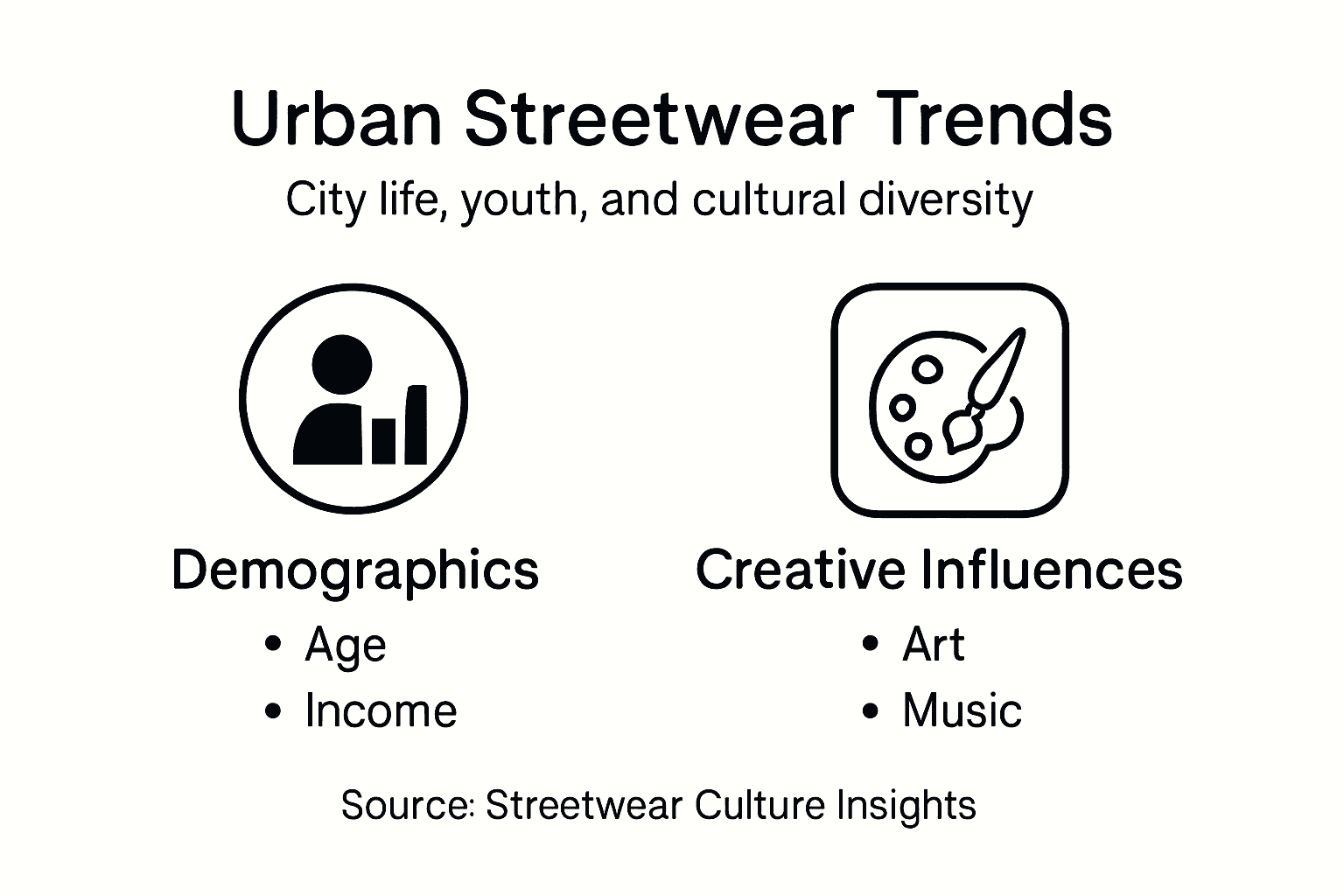
The challenge with cultural diversity in fashion is recognizing the line between appreciation and appropriation. Cultural appropriation in fashion raises complex questions about authenticity and respect, especially when dominant cultures profit from elements borrowed from marginalized communities without acknowledgment or credit. Social media has amplified this tension, making cultural borrowing visible and open to critique in real time. The difference often comes down to intention and knowledge. Wearing a style because you genuinely connect with its cultural roots is different from wearing it as a costume or aesthetic without understanding its significance. This distinction matters more than ever because your choices signal your values to the world.
What makes global fashion movements genuinely powerful is when they create space for everyone’s story. Digital platforms facilitate cultural exchange through fashion while democratizing trend creation, allowing creators from different backgrounds to reach global audiences directly. A designer in Lagos can influence what people wear in London. A street style from Seoul can inspire outfit combinations in Mexico City within hours. This speed and accessibility create opportunities for authentic cultural dialogue if approached thoughtfully. Your role in this ecosystem is to engage with fashion knowledge rather than just aesthetics. When you’re drawn to a specific style, taking time to understand its origins, the communities that created it, and what it represents shows respect. Fashion reflects worldview and cultural identity, meaning your clothing choices communicate whether you see yourself as part of a broader cultural conversation or simply consuming trends.
Pro tip: Before adopting a fashion element rooted in a specific culture, research its history and significance rather than only consuming it aesthetically—this practice honors the communities who created the style while helping you develop deeper connections to what you wear.
Technology, Social Media, and Trend Acceleration
Ten years ago, fashion trends took seasons to spread globally. A look that started in New York might reach smaller cities six months later, if at all. Now? A streetwear aesthetic can go from zero to everywhere in 48 hours. This isn’t because fashion designers suddenly got faster or more creative. It’s because of your phone. Social media platforms like Instagram, TikTok, and YouTube accelerate trend adoption and shape fashion consciousness among youth aged 13 to 35, collapsing the traditional timeline of fashion diffusion into something almost instantaneous. When an influencer posts a fit check, thousands of people see it simultaneously. When a TikTok creator styles a thrifted piece in an innovative way, that approach spreads to their followers’ friend groups, who remix it further. The speed is intoxicating and, frankly, exhausting.
What’s happening beneath the surface is that algorithms are curating your fashion preferences without you fully realizing it. Social media’s algorithmic dynamics have transformed traditional fashion diffusion models, making trends emerge and disappear at unprecedented speeds. Your feed shows you content similar to what you’ve already engaged with, creating echo chambers where specific aesthetics feel dominant when they might only represent your particular corner of the internet. A streetwear style that’s blowing up in your algorithm might barely exist in someone else’s feed five blocks away. This creates a paradox where fashion feels both hyper-personalized and paradoxically uniform. You’re seeing curated content designed to keep you scrolling, which means you’re constantly exposed to new trends even when you’re not actively looking for them. The pressure to stay current becomes relentless because staying current is literally designed into the technology you use daily.
The acceleration effect has real consequences for how you engage with fashion. Trends that used to last a full season now burn out in weeks, which means investment pieces feel risky and disposable aesthetics seem safer. Fast fashion companies have responded by producing pieces at even faster speeds, contributing to environmental degradation and labor exploitation. But there’s an opportunity here too. The same democratization that floods you with trends also gives you direct access to emerging designers, independent creators, and niche communities. You don’t need a major brand’s approval to start a fashion movement anymore. A clever outfit posted at the right time can inspire thousands of people to think differently about clothing. The key is being intentional rather than reactive. Trend cycles accelerate through social networks, transforming how fashion emerges and evolves, which means you have both more power and more responsibility when deciding what to amplify through your own posts and choices.
Pro tip: Save pieces you genuinely love rather than constantly chasing what’s trending, and when you discover a new style, give yourself at least two weeks before posting it to distinguish between a fleeting algorithm-driven impulse and an aesthetic that actually resonates with your authentic taste.
This table outlines the effects of social media platforms on trend acceleration:
| Platform | Trend Spread Speed | User Influence | Unique Characteristics |
|---|---|---|---|
| Hours to days | High via influencers | Visually-driven, curated feeds | |
| TikTok | Instantaneous | Extremely viral | Video content, remix culture |
| YouTube | Days to weeks | Educational and inspirational | Long-form, global reach |
Risks of Fast Fashion and Brand Authenticity
Fast fashion promises everything you want at prices that seem too good to be true. That’s because they are. A new collection drops every week. Prices hover between ten and thirty dollars. The styles match what influencers posted yesterday. It feels like democracy, like fashion finally belongs to everyone instead of the wealthy elite. But this accessibility comes at a cost that you don’t see on the price tag. Someone made that shirt for less than it costs to buy it. The fabric was dyed using processes that poisoned water supplies in manufacturing regions. The garment will fall apart after a handful of washes, which is exactly the point. Fast fashion’s rapid production and consumption cycles threaten environmental sustainability and perpetuate inequalities in production regions globally, yet the industry continues accelerating because the system profits from your constant replacement of worn pieces.
What’s particularly damaging is how fast fashion destroys brand authenticity. Real brands have stories. They stand for something specific. They make deliberate choices about their values and communicate those consistently over time. Fast fashion brands, by contrast, exist in a constant state of identity crisis. They copy whatever went viral on TikTok last week, producing knockoffs of designs from independent creators and established brands alike. Perceived brand authenticity significantly influences consumer trust and purchase intentions, meaning consumers increasingly question whether fast fashion companies actually believe in anything beyond maximizing quarterly profits. When every piece is a copy of a copy, when trend cycles change faster than you can wear out what you just bought, the entire concept of brand identity becomes meaningless. You’re buying something designed to be discarded, which ironically makes the purchase feel less valuable even in the moment.
The trap is that speed and affordability are genuinely attractive, especially when you’re building your aesthetic and money is limited. But there’s a difference between smart shopping and participating in a system that extracts value from both people and the planet. You can buy fewer pieces that actually last. You can support brands that are transparent about their manufacturing and materials. You can thrift, swap with friends, and customize existing pieces instead of constantly buying new ones. The streetwear culture you love actually originated from resourcefulness and creativity, not from having endless disposable income. When you prioritize conscious fashion that aligns style with purpose, you’re reconnecting with the values that made streetwear meaningful in the first place. Your choices don’t have to be perfect, but awareness of what you’re supporting matters more than most brands want you to realize.
Pro tip: Before buying something new, ask whether you would wear it for at least two years and whether you can see yourself styling it with pieces you already own; this simple filter eliminates impulse purchases driven by algorithms while helping you build a cohesive wardrobe that actually reflects your authentic style.
Discover Your Authentic Streetwear Identity with Eledoasis
Navigating urban demographic fashion trends can feel overwhelming when trying to express your unique style in a fast-paced, ever-changing world. This article highlights the challenge of staying authentic amid rapid trend acceleration and cultural diversity while avoiding the pitfalls of fast fashion’s emptiness. If you seek bold, visionary apparel that speaks to your values and individuality, embracing streetwear as a true form of self-expression, then aligning your wardrobe with carefully curated pieces is essential.
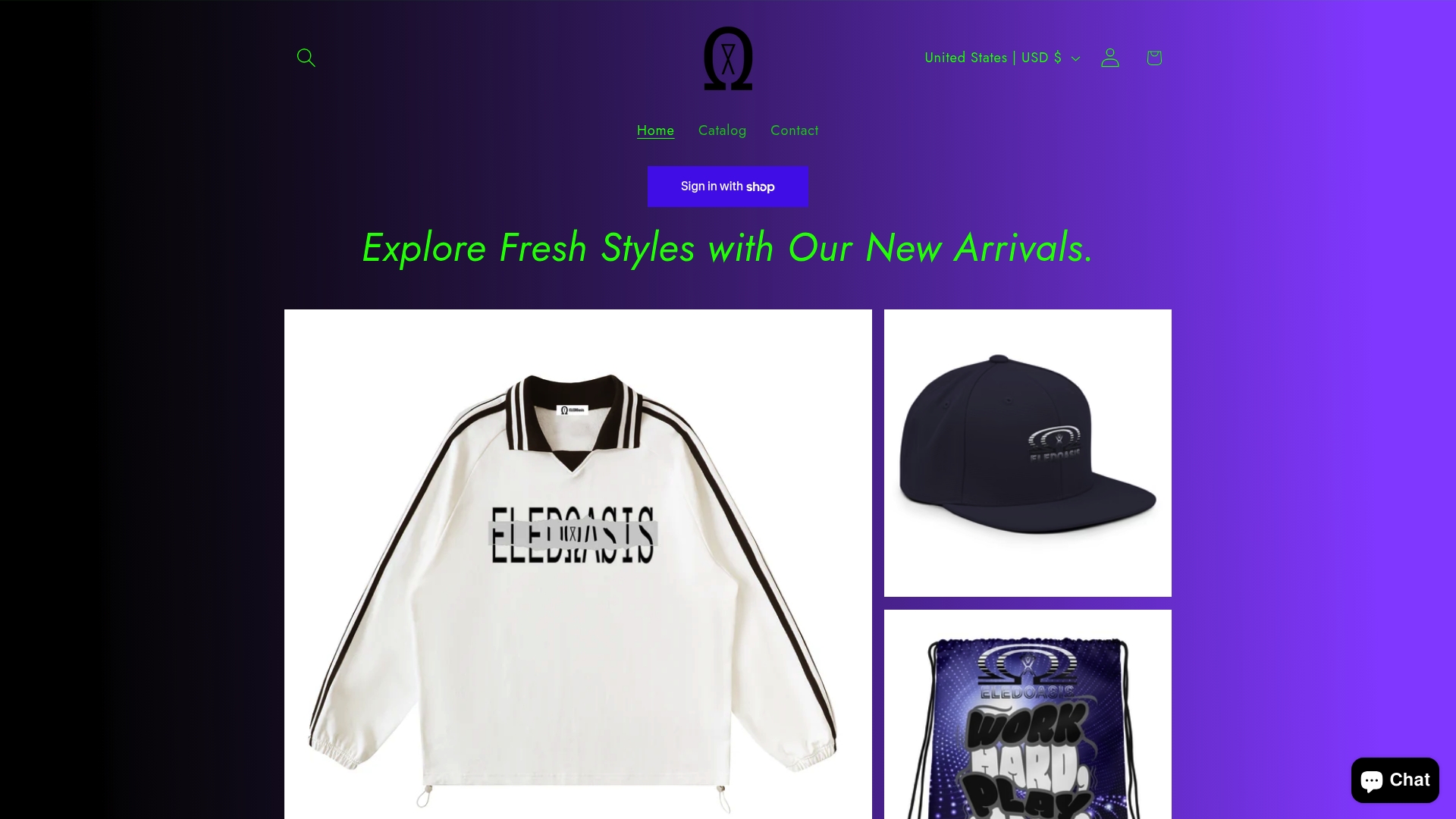
Explore the powerful fusion of art, symbolism, and personal identity at Eledoasis. Our collection of hats, hoodies, tees, and accessories is designed specifically for fashion-forward individuals who want to build a cohesive, authentic style that stands out beyond fleeting trends. Take control of your fashion story today and invest in pieces that reflect your worldview and honor the cultural foundations of streetwear. Visit Eledoasis and start crafting your unique urban aesthetic with bold designs created to awaken consciousness and fuel your creativity.
Frequently Asked Questions
How do urban demographics influence fashion trends?
Urban demographics shape fashion trends by reflecting the specific characteristics of city populations, such as age, income level, cultural background, and social environments. This results in diverse styles that resonate with individuals’ identities and circumstances.
What role does streetwear play in youth identity?
Streetwear serves as a powerful form of self-expression for young adults, allowing them to communicate their personality, community affiliation, and values through fashion. It emphasizes comfort, uniqueness, and creativity while fostering a sense of belonging without sacrificing individuality.
How has social media changed the way fashion trends spread?
Social media has accelerated the adoption of fashion trends, allowing styles to become viral within hours. Platforms like Instagram and TikTok create algorithm-driven feeds that influence user preferences and drive trends at an unprecedented speed, changing the traditional timeline of fashion diffusion.
What are the implications of fast fashion on the environment and brand authenticity?
Fast fashion contributes to environmental degradation and labor exploitation due to its rapid production cycles. Additionally, it undermines brand authenticity as companies often prioritize speed and profit over genuine values, leading to a lack of trust and commitment to sustainable practices.