What are fashion movements? 70% youth influenced by media
Most people think fashion movements are just passing fads, but they’re actually complex cultural phenomena that shape identities over years. Many young adults struggle to grasp the origins and significance of these movements, missing out on authentic participation in streetwear culture. This guide will explain what fashion movements are, how they originate in subcultures, accelerate through social media, and carry deep symbolic meaning. You’ll learn to distinguish real movements from fleeting trends and engage with them authentically to enhance your self expression.
Table of Contents
- Definition And Characteristics Of Fashion Movements
- Role Of Subcultures And Streetwear In Fashion Movements
- Social Media And Digital Culture As Catalysts
- Symbolism And Identity In Fashion Movements
- Common Misconceptions About Fashion Movements
- Comparison Framework Of Fashion Movements
- Case Studies Of Major Fashion Movements
- How To Participate Authentically In Fashion Movements
- Explore Authentic Streetwear Styles And Trends At Eledoasis
Key takeaways
| Point | Details |
|---|---|
| Cultural phenomena | Fashion movements are collective expressions tied to identity and values, lasting 5-15 years unlike seasonal trends. |
| Subculture origins | 80% of major fashion movements start in marginalized communities before mainstream adoption. |
| Digital acceleration | Social media platforms compress movement lifecycles through visual storytelling and rapid global reach. |
| Symbolic identity | Symbols from music, art, and politics communicate shared values and anchor community belonging. |
| Authentic engagement | Genuine participation requires understanding cultural context, not just copying surface aesthetics. |
Definition and characteristics of fashion movements
Fashion movements represent collective cultural expressions where groups adopt shared styles to communicate identity and values. Unlike trends that might last a season, movements persist for years and connect deeply to social, political, or artistic contexts. They’re not created by brands or magazines but emerge organically from communities seeking visual languages for their beliefs.
Three defining characteristics separate movements from typical fashion trends. First, they involve community formation where participants recognize each other through style choices and shared symbols. Second, they evolve continuously as members reinterpret core elements while maintaining recognizable identity markers. Third, they carry meaning beyond aesthetics, reflecting underlying philosophies about society, technology, resistance, or belonging.
Key traits of authentic fashion movements include:
- Grassroots origins in specific subcultures or geographic communities
- Visual symbols that reference music genres, art movements, or political ideas
- Multi year duration with evolving but consistent core aesthetics
- Resistance to or tension with mainstream commercial fashion
- Cross pollination with other cultural expressions like music or activism
Understanding these characteristics helps you recognize when you’re witnessing a genuine movement versus marketing hype. Movements build slowly through community adoption, while manufactured trends appear suddenly through coordinated brand campaigns. This distinction matters when you’re trying to engage authentically rather than chase every new style that appears on your feed.
Role of subcultures and streetwear in fashion movements
StreetWear functions as the primary incubator where fashion movements take root and develop authentic identity. Marginalized communities, youth subcultures, and underground scenes create styles that reflect their lived experiences and values. These grassroots origins give movements credibility and cultural weight that manufactured trends can never replicate. Research shows 80% of major fashion movements originate from marginalized subcultures, not from established brands or runways.
Subcultures often resist mainstream commercialization, creating tension when movements gain broader visibility. Early adopters may feel their authentic expression becomes diluted as mass market brands copy surface elements without understanding deeper meanings. This cycle repeats across movements from punk to hip hop to skate culture. You’ll notice this tension playing out on social media when community members call out appropriation or commercialization.
Understanding the role of culture in streetwear helps you navigate these dynamics responsibly:
- Recognize that authentic movements emerge from specific communities with real struggles and stories
- Respect the difference between appreciation and appropriation when adopting styles
- Support independent creators and community spaces that nurture movements
- Avoid treating subcultural styles as costumes or trends to cycle through
Pro Tip: Follow creators and community members from a movement’s origin culture rather than just mainstream influencers who discovered it later. You’ll gain deeper context and support authentic voices.
When you engage with streetwear movements mindfully, you participate in cultural conversations rather than just consuming products. This distinction transforms your relationship with fashion from passive consumption to active identity expression.
Social media and digital culture as catalysts
Social media platforms like Instagram and TikTok dramatically accelerate how fashion movements spread and evolve in 2026. What once took years to disseminate globally now happens in weeks or months through viral content and algorithmic amplification. Visual platforms enable instant communication of style elements, making movements more accessible but also compressing their natural development cycles.
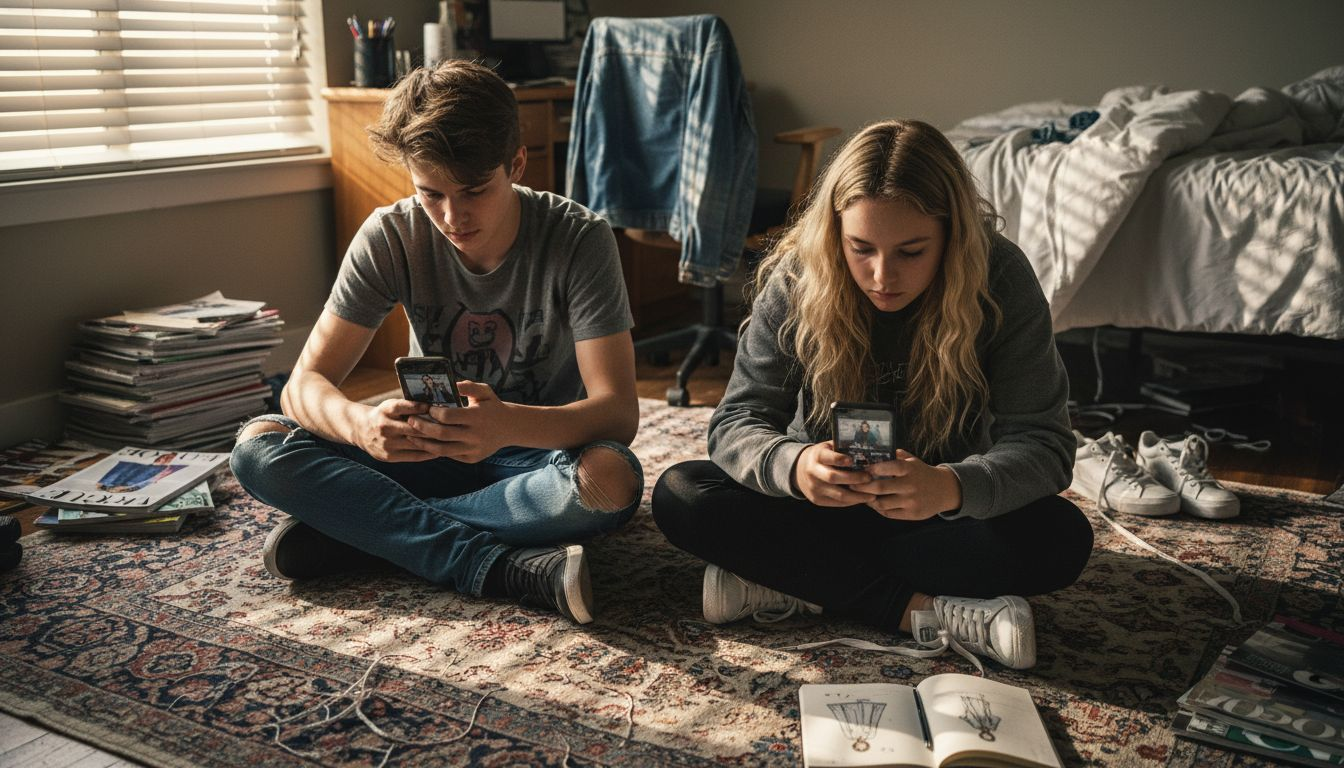
This acceleration creates both opportunities and challenges for participants. You can discover emerging movements earlier and connect with global communities instantly. However, rapid spread often leads to superficial adoption where people copy aesthetics without understanding cultural context. The same algorithms that amplify movements also commodify them, pushing brands to capitalize quickly before momentum shifts.
Digital culture reshapes fashion movements through several mechanisms:
- Visual storytelling builds movement identity through curated feeds and hashtag communities
- Algorithmic discovery connects scattered participants into visible global networks
- Real time documentation captures movement evolution as it happens
- Influencer amplification can validate or dilute movement authenticity
- E commerce integration enables instant product access but accelerates commercialization
70% of young adults now discover fashion movements through social media rather than physical community spaces. This shift changes how movements form, requiring digital literacy to distinguish authentic expressions from manufactured viral moments. You need to look beyond surface engagement metrics to find genuine cultural movements.
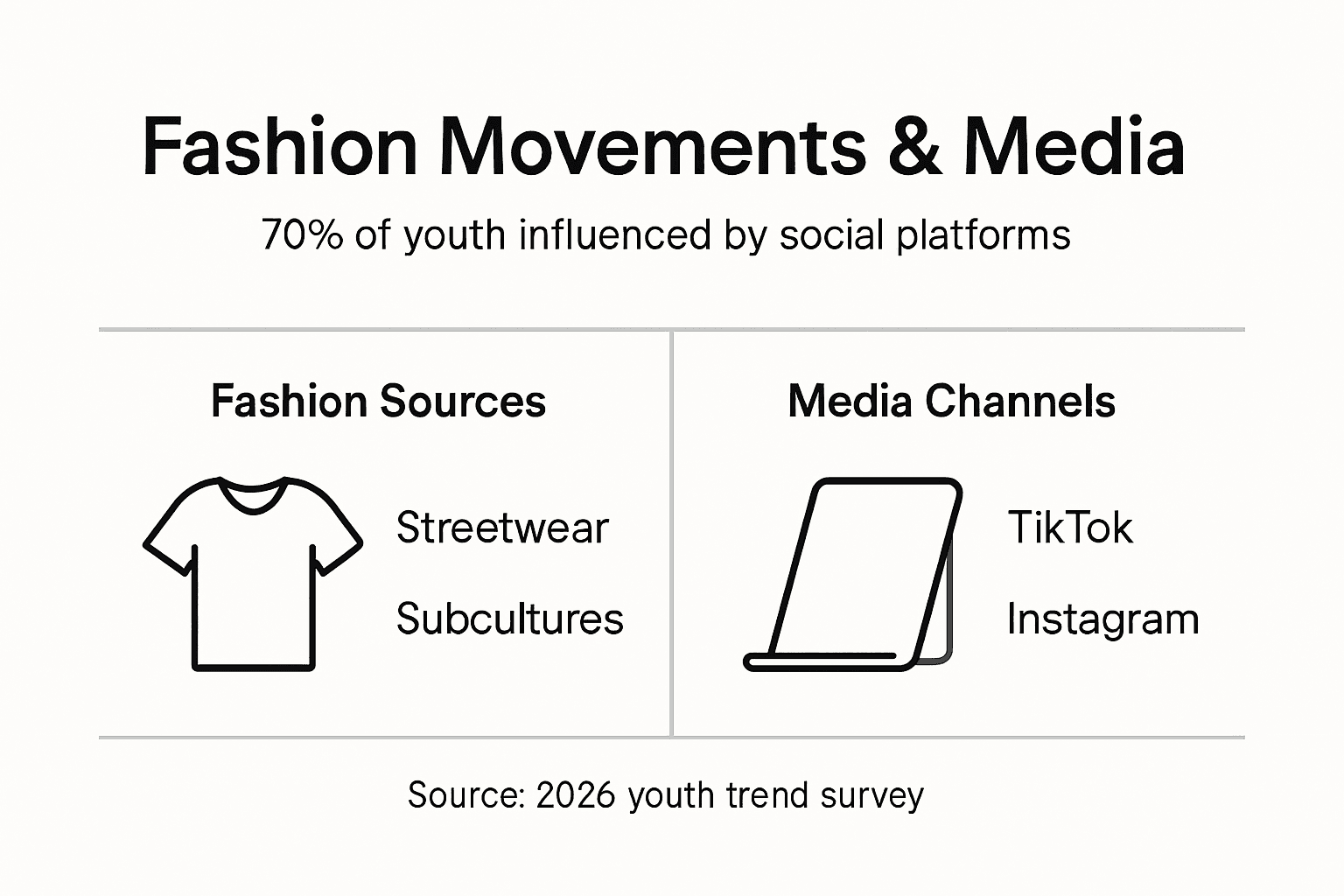
The compression of movement lifecycles means you must engage more intentionally. Movements that might have developed over a decade now peak within 2-3 years before fragmenting or transforming. This speed requires savvy participation to stay connected to core values while trends swirl around you.
Symbolism and identity in fashion movements
Fashion movements communicate through visual symbols that carry layered cultural meanings beyond their aesthetic appearance. Symbols drawn from music iconography, political movements, artistic traditions, or subcultural references signal membership and shared values to those who recognize them. Wearing these symbols becomes a form of cultural participation and identity declaration that connects you to broader communities.
Symbols function as shorthand for complex ideas and affiliations. A specific graphic references a music genre’s philosophy. A particular silhouette nods to historical resistance movements. Color palettes evoke geographic origins or political stances. These visual languages evolve within movements as participants reinterpret and remix core elements while maintaining recognizable threads.
Understanding symbolism in street fashion deepens your engagement:
- Research the origins of symbols before incorporating them into your style
- Recognize that symbols carry different meanings in different cultural contexts
- Appreciate how movements reinterpret historical symbols for contemporary relevance
- Use symbols intentionally to express your authentic values and affiliations
Symbols anchor shared identity even as movement aesthetics evolve. Early punk adopted safety pins and torn clothing as symbols of resistance and DIY ethos. Those symbols persist decades later while specific styling changes. Similarly, hip hop movements maintain connections to specific geographic origins through symbolic references even as sounds and styles progress.
The deeper symbolism in fashion you understand, the more authentically you can participate. You move beyond copying surface trends to genuinely expressing identity through culturally resonant visual language. This transformation elevates fashion from consumption to communication.
Common misconceptions about fashion movements
Several persistent myths distort how people understand fashion movements, leading to superficial engagement and cultural misappropriation. Clearing these misconceptions helps you participate more authentically and recognize genuine movements among marketing noise.
The most damaging misconception equates movements with short lived fads. Real movements persist for 5-15 years, evolving continuously while maintaining core identity elements. Fads spike quickly through coordinated promotion and disappear within months. Movements build gradually through grassroots adoption and cultural resonance. When you see a style everywhere suddenly, it’s likely a trend being pushed commercially rather than a movement emerging organically.
Three critical misconceptions to unlearn:
-
Movements originate from brands and designers. Actually, most movements start underground in subcultures and marginalized communities. Brands later appropriate successful movements, often diluting their original meanings.
-
Movements are purely aesthetic choices. In reality, they carry socio political meanings and reflect values about society, technology, identity, or resistance. Reducing them to style choices misses their cultural significance.
-
Anyone can participate authentically just by buying the right clothes. Genuine participation requires understanding cultural context, respecting origins, and engaging with community values, not just purchasing products.
As one fashion historian observed:
Fashion movements are cultural conversations encoded in visual language. When you wear the symbols without understanding the dialogue, you’re speaking words in a language you don’t comprehend.
Recognizing these misconceptions protects you from embarrassing cultural missteps and empty trend chasing. You develop the critical thinking needed to distinguish authentic movements worth engaging with from manufactured moments designed to drive consumption. This awareness transforms how you approach fashion choices and identity expression.
Comparison framework of fashion movements
Analyzing fashion movements through a structured framework reveals patterns and helps you identify emerging movements before they peak. Four key dimensions capture movement characteristics and enable meaningful comparisons across different cultural phenomena.
The framework examines origin context, symbolic elements, dissemination mechanisms, and cultural impact. Origin context includes geographic roots, founding communities, and precipitating social conditions. Symbolic elements encompass visual markers, material choices, silhouettes, and referenced cultural sources. Dissemination mechanisms track how movements spread through communities, media, or digital platforms. Cultural impact assesses longevity, influence on mainstream fashion, and broader social effects.
| Movement | Origin | Core Symbols | Dissemination | Cultural Impact |
|---|---|---|---|---|
| Punk | 1970s UK/US working class | Safety pins, DIY tears, band tees | Underground venues, zines | Resistance aesthetics, anti establishment ethos |
| Hip Hop | 1980s NYC Black/Latino youth | Oversized silhouettes, sneakers, gold chains | Music videos, street culture | Global youth culture, music fashion synthesis |
| Techwear | 2010s Japan/Global digital culture | Technical fabrics, utility straps, monochrome | Online forums, Instagram | Futurism, urban functionality |
This framework reveals how movements reflect their founding communities’ experiences and values. Punk’s DIY aesthetic emerged from economic constraints and rejection of polished mainstream fashion. Hip hop’s bold proportions and luxury symbols responded to marginalization and claimed visibility. Techwear’s technical focus mirrors digital age concerns about functionality and future readiness.
Applying this framework to styles you encounter helps you assess authenticity and depth. Movements with clear origin stories, consistent symbolic language, organic dissemination, and lasting cultural impact deserve serious engagement. Styles lacking these elements are likely marketed trends rather than genuine cultural movements.
Case studies of major fashion movements
Examining specific movements illustrates how theory manifests in real cultural phenomena. Three influential movements demonstrate different paths from subcultural origins to broader impact.
Punk emerged in mid 1970s UK and US as working class youth rejected economic stagnation and mainstream culture. The DIY aesthetic turned poverty and exclusion into defiant style statements. Torn clothing, safety pins, and aggressive graphics communicated resistance to social norms. Punk’s influence persists decades later in runway collections and streetwear, though often stripped of original political context.
Hip hop fashion developed alongside the music genre in 1980s New York City, created by Black and Latino youth claiming visibility and status. Oversized silhouettes, premium sneakers, and gold jewelry mixed aspirational luxury with street practicality. The movement’s tight integration with music created a powerful cultural force that shaped global youth fashion. Hip hop demonstrates how movements can maintain authenticity while achieving mainstream success when origin communities retain creative control.
Techwear represents contemporary digital culture’s influence on fashion movements. Emerging from Japanese designers and global online communities in the 2010s, it emphasizes technical fabrics, modular designs, and urban functionality. The movement reflects concerns about climate change, digital connectivity, and uncertain futures. Techwear spread primarily through Instagram and specialized forums, showing how digital platforms enable new types of movement formation.
Key lessons from these movements:
- Authentic movements emerge from specific communities addressing real conditions
- Visual language reflects founding values and experiences
- Successful movements balance evolution with core identity preservation
- Digital and physical dissemination create different movement dynamics
Pro Tip: Study movements from past decades to recognize patterns repeating in current emerging styles. History provides context for understanding what makes movements endure versus fade.
These case studies show movements as living cultural conversations rather than static style templates. When you engage with them, you join ongoing dialogues about identity, values, and social belonging.
How to participate authentically in fashion movements
Authentic participation requires intentional engagement that respects cultural origins while expressing your genuine identity. This balance distinguishes meaningful involvement from superficial trend chasing or cultural appropriation.
Start by researching movement origins and understanding founding communities’ experiences. Learn why specific symbols emerged and what they communicated originally. This context prevents you from using charged imagery inappropriately or missing deeper meanings. Dedicate time to reading origin stories, following community voices, and observing how long term participants engage.
Six steps for authentic engagement:
-
Research cultural and historical context before adopting movement aesthetics. Understand what symbols mean and why they matter to founding communities.
-
Follow and support creators from origin communities. Center authentic voices rather than mainstream interpreters who discovered movements later.
-
Adapt styles to reflect your genuine identity rather than copying looks exactly. Personalize streetwear essentials to express your unique perspective within movement frameworks.
-
Engage with movement values beyond just wearing the clothes. Participate in related music scenes, support relevant causes, or join community spaces.
-
Respect boundaries around appropriation. Some symbols carry specific cultural meanings not meant for outside adoption. Listen when community members express concerns.
-
Acknowledge your position relative to movement origins. If you’re joining from outside founding communities, approach with humility and willingness to learn.
Pro Tip: Invest in pieces from independent designers connected to movement communities rather than fast fashion copies. Your purchases support authentic creators and ensure better quality items that last.
Authentic participation transforms fashion from passive consumption to active cultural dialogue. You express identity meaningfully while respecting the communities that created visual languages you’re adopting. This approach builds connections and deepens your understanding of how fashion functions as social communication.
Explore authentic streetwear styles and trends at ELEDOasis
Now that you understand how fashion movements emerge and evolve, you’re ready to express your identity through authentic streetwear choices. ELEDOasis curates collections that honor movement origins while enabling personal expression. Our pieces blend symbolism, quality, and contemporary aesthetics to help you participate genuinely in streetwear culture.
Discover how urban demographic fashion trends reflect the movements shaping 2026 style. Explore our guides on streetwear culture definition to deepen your understanding of the aesthetics you’re adopting. Our collections feature bold graphics, technical materials, and symbolic designs that let you communicate your values through fashion. Shop statement pieces that connect you to ongoing cultural conversations while expressing your unique perspective.
Frequently asked questions
What are fashion movements in streetwear?
Fashion movements in streetwear are collective cultural phenomena where communities adopt shared visual styles to express identity and values. Unlike fleeting trends that last a season, movements persist for 5-15 years, evolving continuously while maintaining recognizable core elements. They emerge organically from subcultures and carry deeper meanings connected to music, politics, or social experiences. Movements create visual languages that participants use to signal belonging and communicate beliefs to those who recognize the symbols.
How do social media platforms influence fashion movements?
Social media dramatically accelerates how fashion movements spread globally and compress their natural development cycles. Platforms like Instagram and TikTok enable visual storytelling that builds movement identity through curated content and hashtag communities. Algorithmic amplification connects scattered participants into visible networks, making movements more accessible but also more susceptible to rapid commercialization. 70% of young adults now discover fashion movements through social media, fundamentally changing how movements form and evolve in 2026.
How can I genuinely participate in a fashion movement?
Genuine participation starts with researching the movement’s cultural background and understanding founding communities’ experiences. Learn what symbols mean and why they emerged before incorporating them into your style. Follow creators from origin communities and support independent designers connected to the movement. Personalize aesthetics to reflect your authentic identity rather than copying looks exactly. Engage with movement values beyond clothes by participating in related music scenes or supporting relevant causes.
What are common misconceptions about fashion movements?
Many people wrongly believe all trends are movements, when real movements last 5-15 years versus seasonal fads. Another misconception assumes movements originate from brands, when actually 80% start in marginalized subcultures before commercial adoption. People also reduce movements to purely aesthetic choices, missing their deeper socio political meanings and identity functions. Finally, many think buying the right clothes equals authentic participation, when genuine engagement requires understanding cultural context and respecting origins. These misconceptions lead to superficial trend chasing rather than meaningful cultural participation.